

Matthew Day Jackson

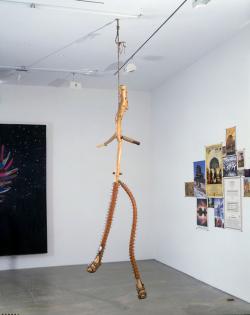
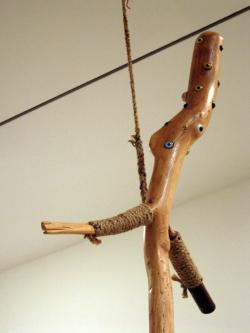
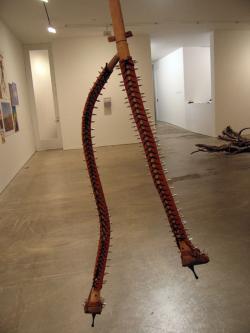
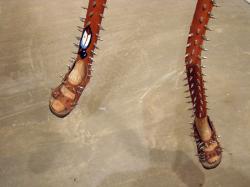
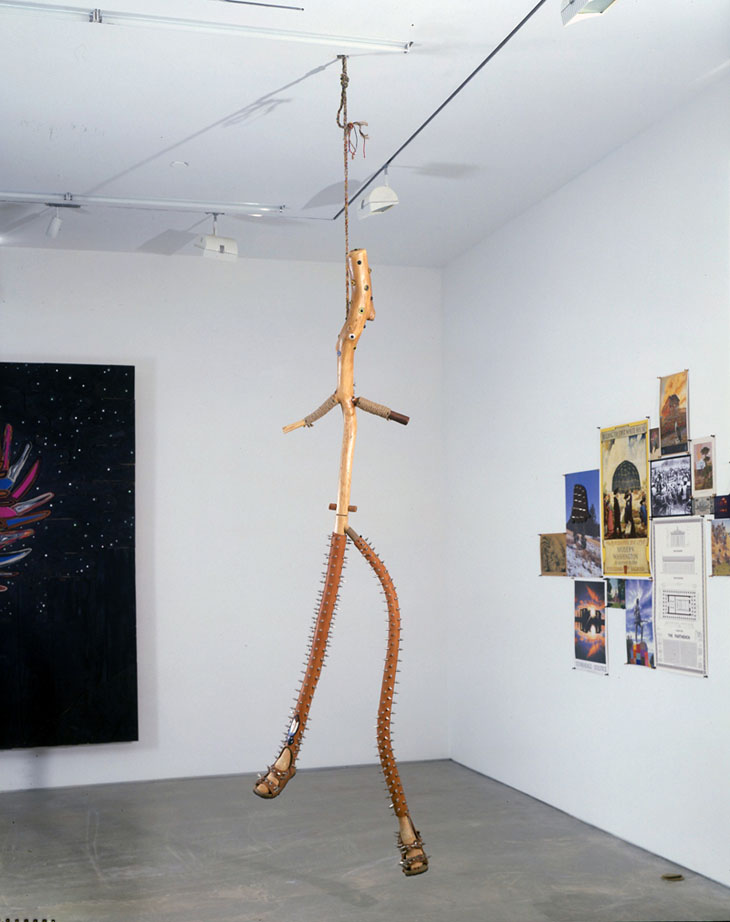
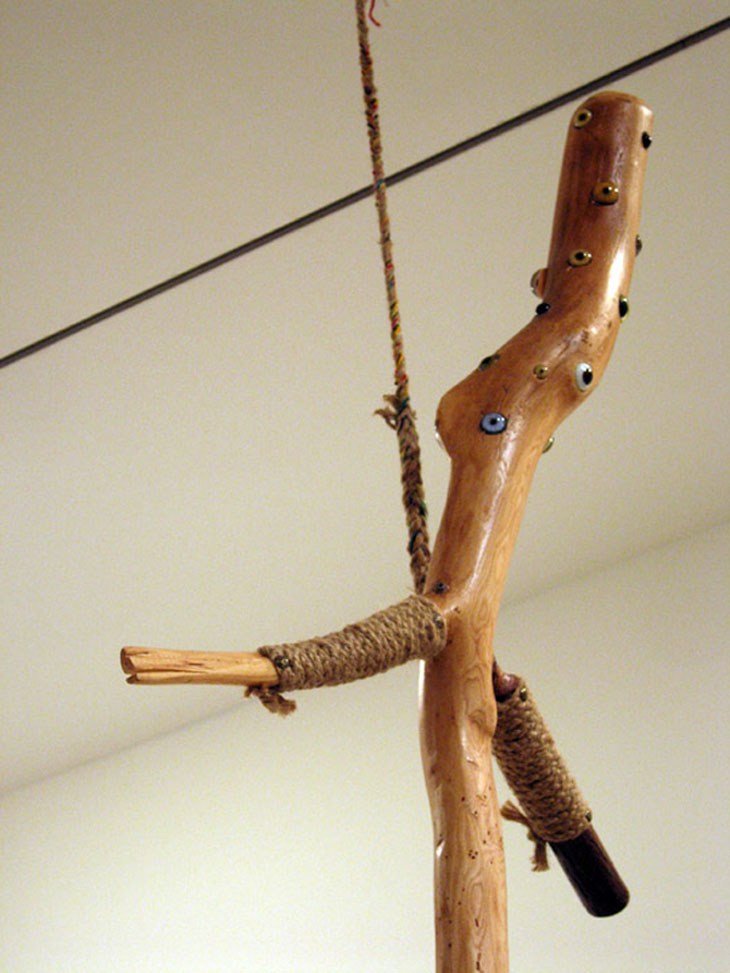
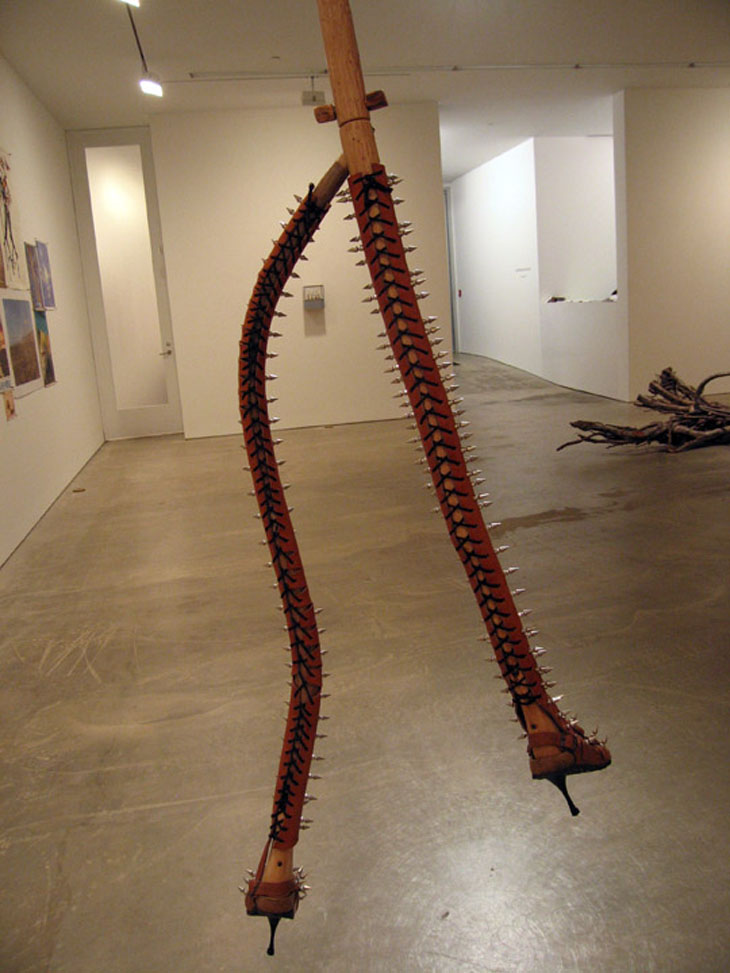
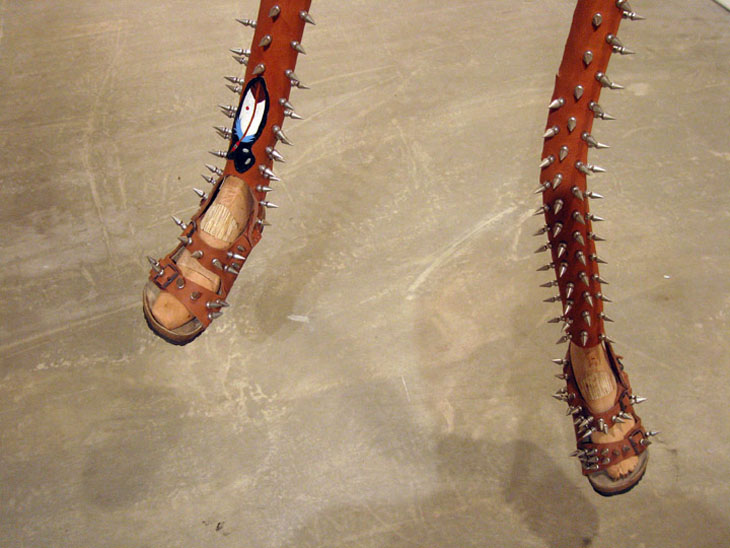
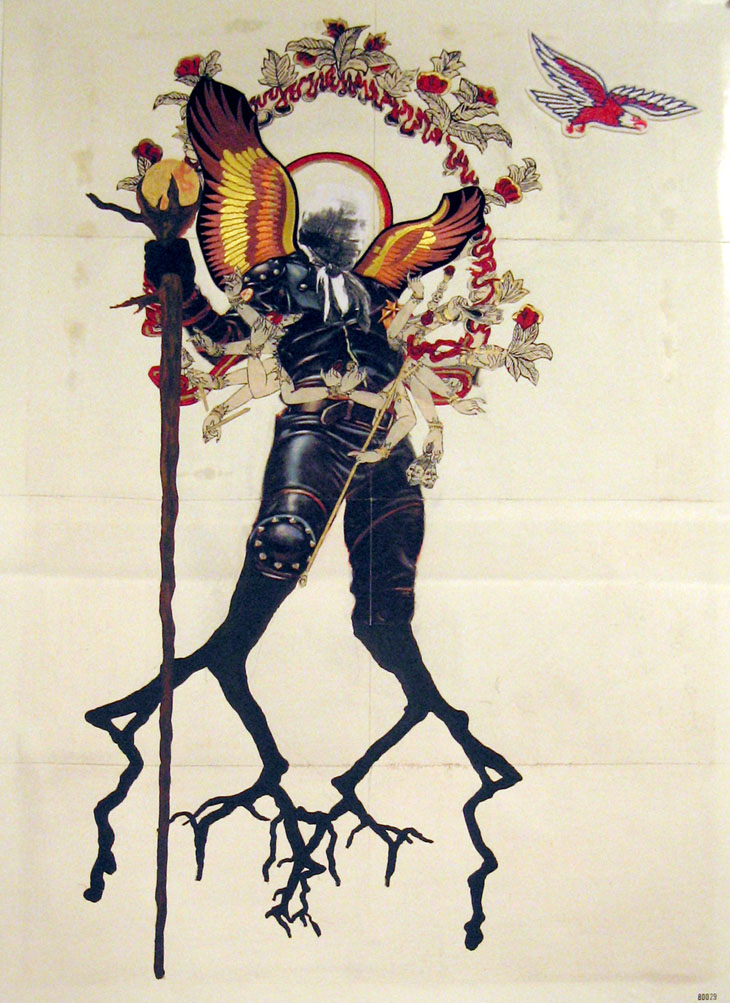
Using found materials, Matthew Day Jackson’s sculptures appropriate the cultural symbolism of everyday objects to reassemble visions of American identity. Hanging from the ceiling as primitive mobile, Hung, Drawn and Quartered II is an abject effigy of a lynching. Constructed primarily of a tree branch, Jackson draws upon a romantic heritage, converting his felled utopia into an animistic totem: adding boggle eyes, scythe handle legs, leather studded ‘stockings’, and dangling Birkenstock feet. Uniting references to colonial optimism, native mysticism, pioneering technology, socialism, andhippie fashion, Jackson executes a portrait of lost ideals.
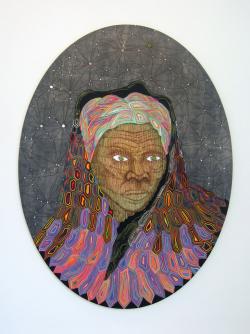
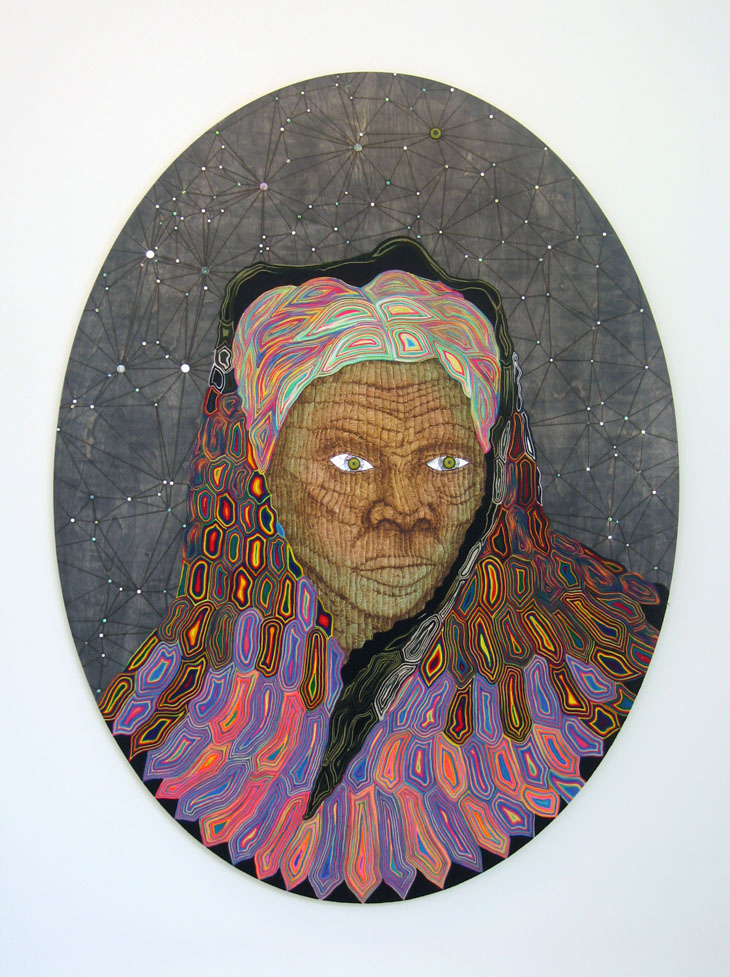
Matthew Day Jackson’s Harriet (Last Portrait) monumentalises the image of a black woman on a large oval panel. Working with the artisan techniques of wood-burning and precious stone inlaying, Jackson’s drawing alludes to both antique religious icons and the tradition of folk-craft. Coloured with aniline dye, a pigment used for staining fabric, and the collaged application of yarn, Jackson’s drawing conveys a stunning vivacity, offering a portrait of heroism that frames American cultural history with futuristic promise.
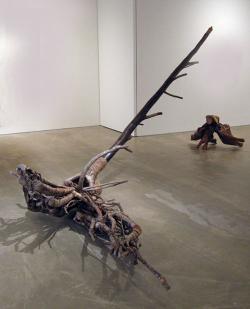
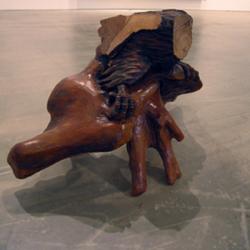
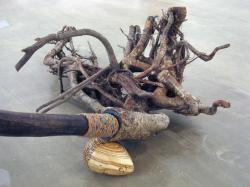
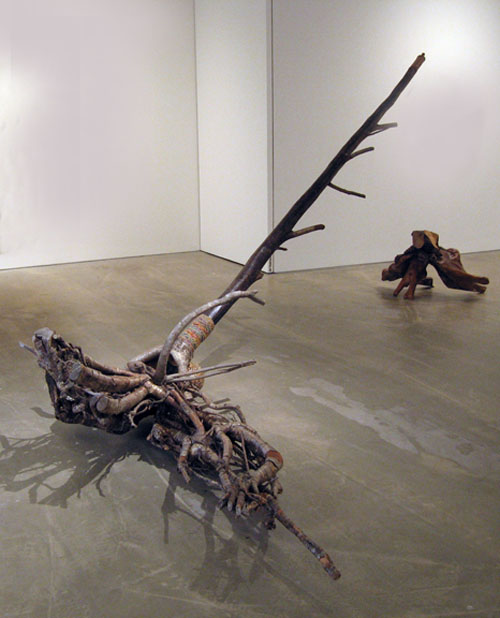
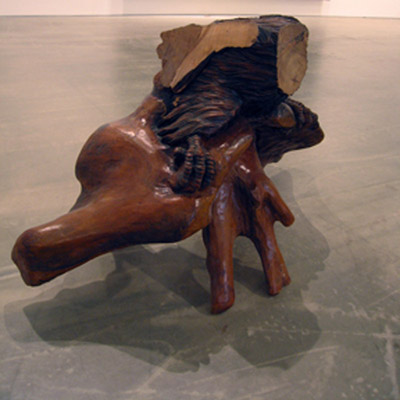
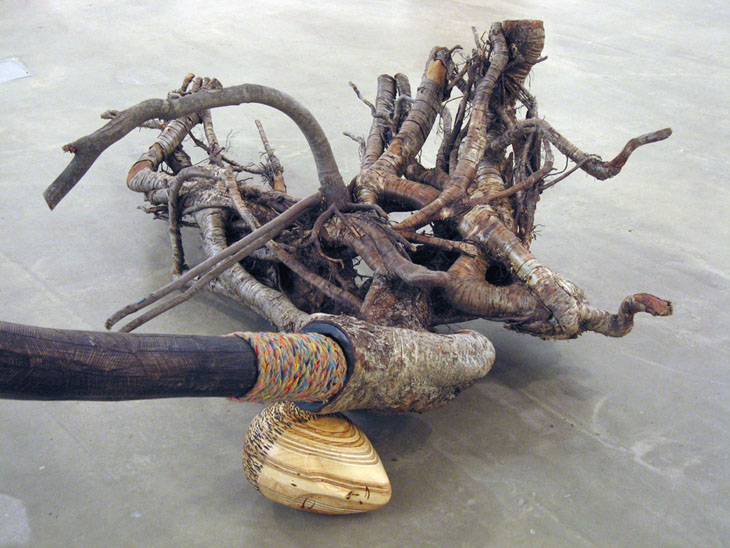
Staging an uprooted tree trunk as trumpet, Matthew Day Jackson’s Alphorn With Quartered Stand poses as a figurative call for revolution. Harking back to an age of political innocence, Jackson adopts readymade natural form as an allegory of freedom; positioned beside a stump carved with an eagle insignia, the horn’s dead and varnished tendrils stand as monument and relic. Drawing reference to the American Transcendentalists and new world heroic folklore, Jackson’s sculpture resounds with a nostalgic patriotism reflective of contemporary discontents.
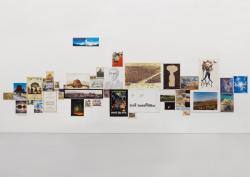
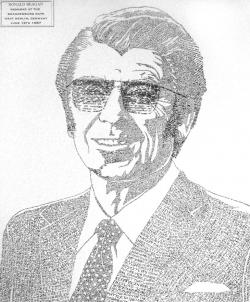
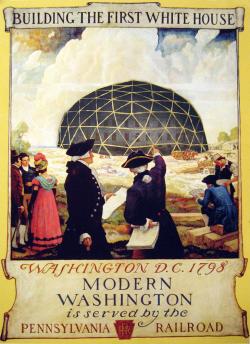
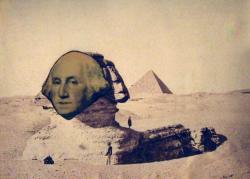
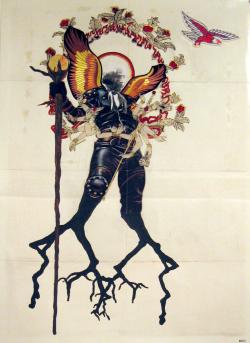
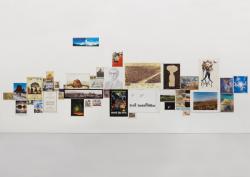
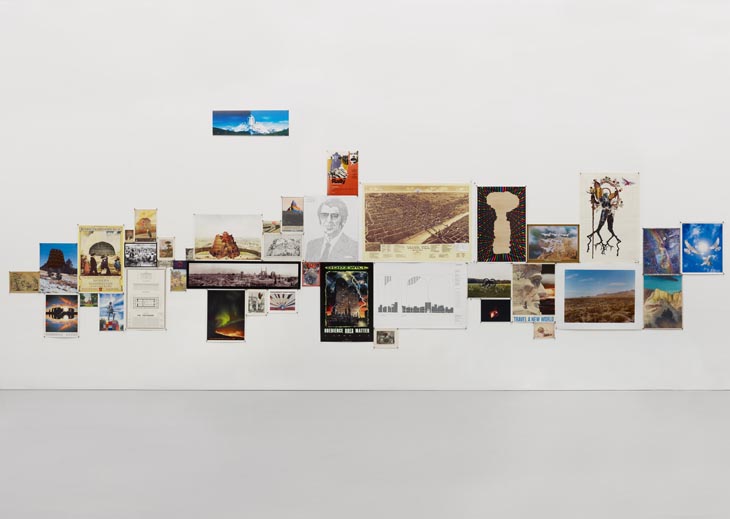
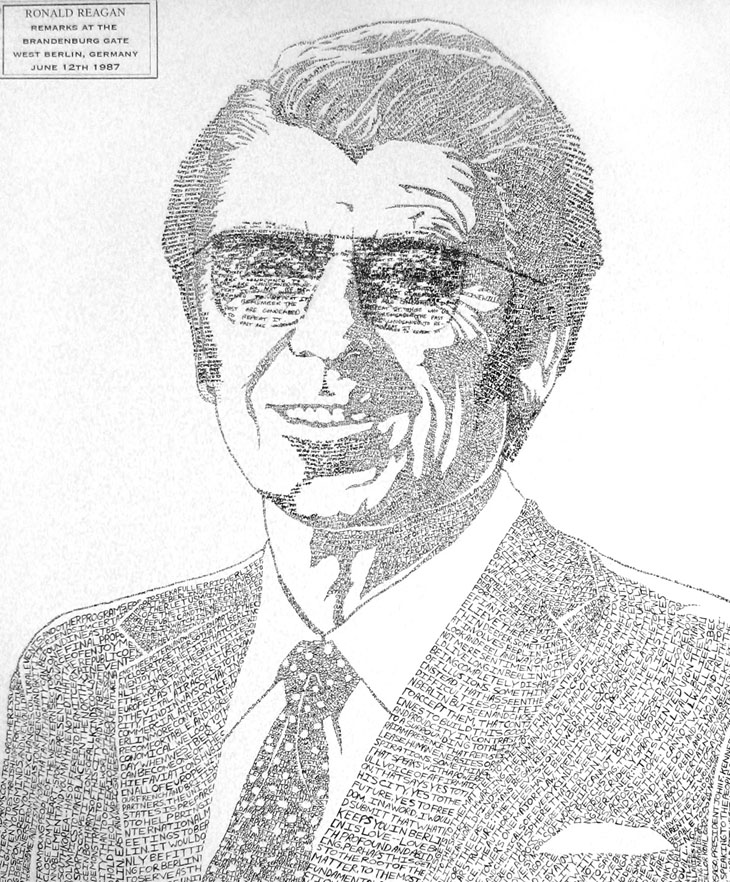
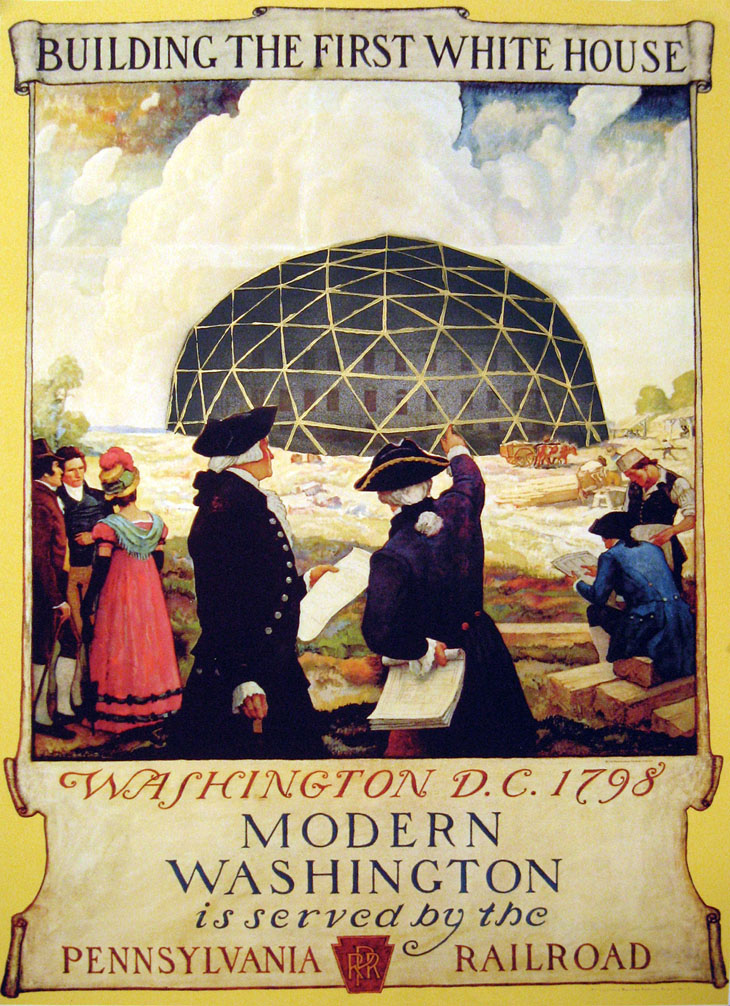
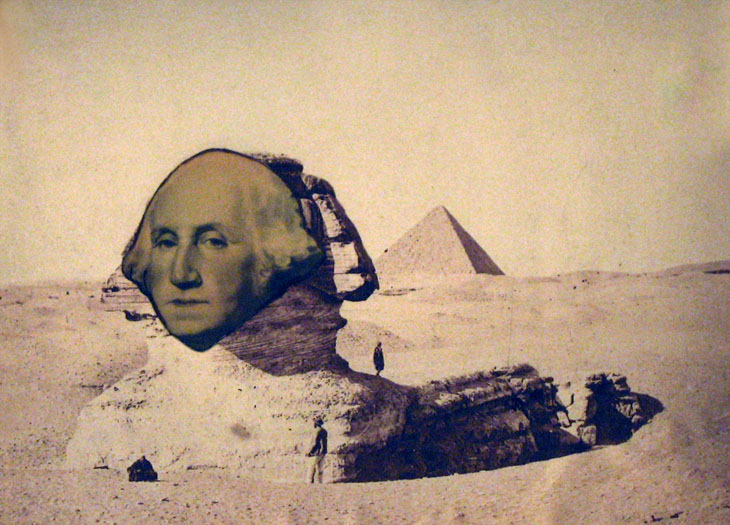
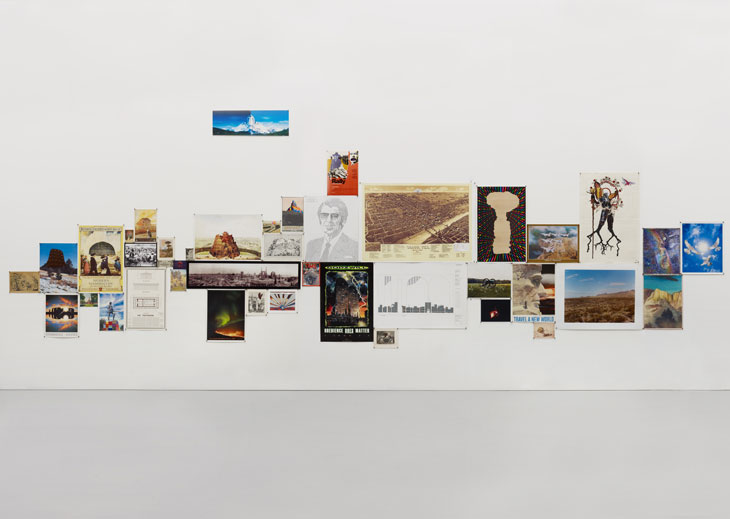
Appropriating the media of grass-roots protest, Matthew Day Jackson’s Dance of Destruction is a conglomeration of prints and photographs fly-posted on the gallery wall. Satirically heralding the greatness of America, Jackson places images out of context, rewriting his own ironic version of history. From the origins of a dynasty evidenced by George Washington’s face on the Sphynx, an antique advert boasting the bio-hazard construction of the White House, to a cavalier image of Ronald Reagan made up of his own conflicting words, Jackson revises a nation’s mythology, consolidating parody of current political issues with ‘how it might have been’.
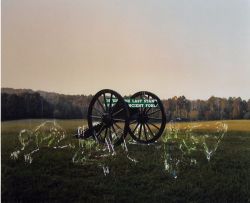
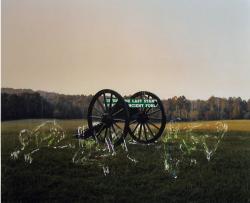
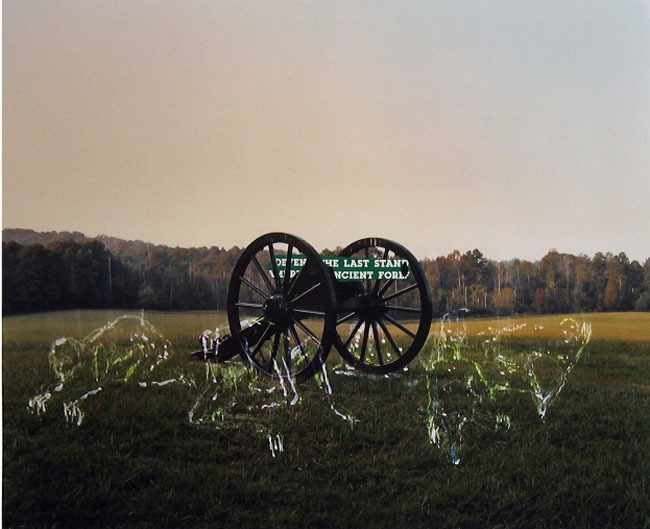
Matthew Day Jackson’s Hungry Ghosts pictures the spirits of the American Civil War foraging for food; their barren field now lush parkland emblazoned with an environmental bumper sticker. Highlighting the discrepancy between the pioneering lore of America and the state of its current affairs, Jackson’s photograph conveys cultural critique, reuniting national allegiance with moral responsibility.
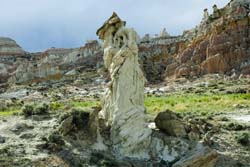
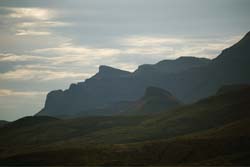
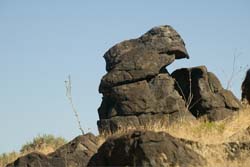
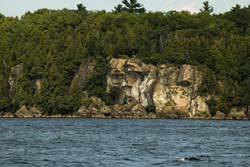
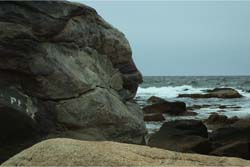
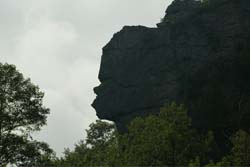
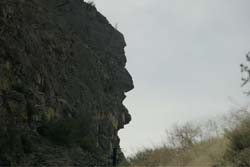
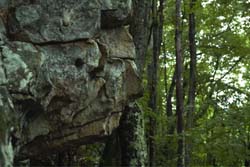
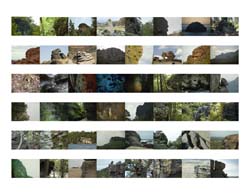
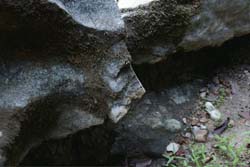
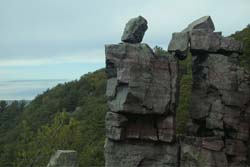
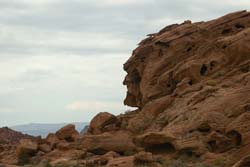
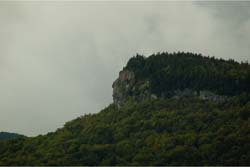
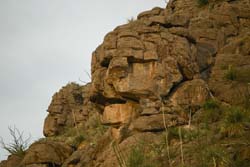
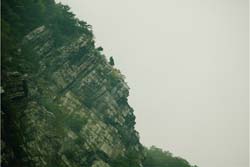
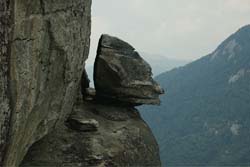
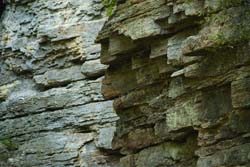
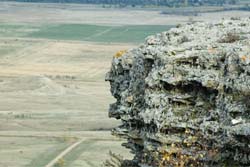
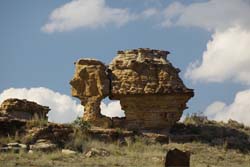
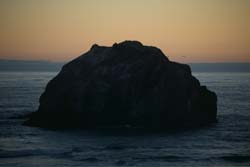
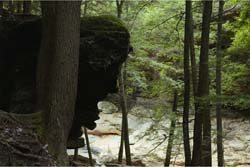
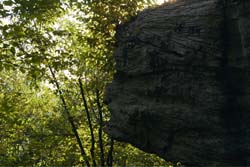
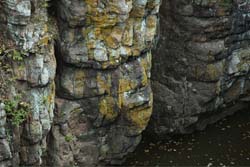
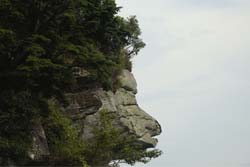
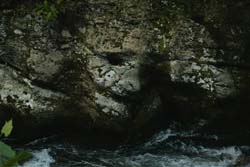
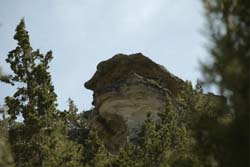
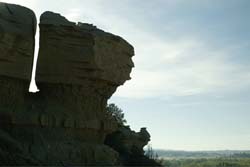

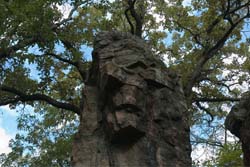
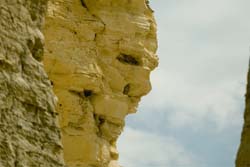
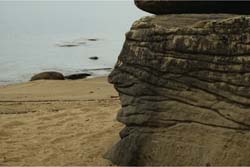
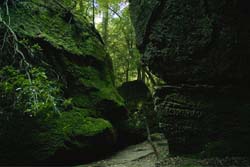
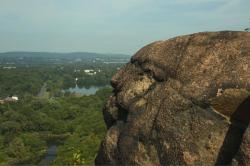
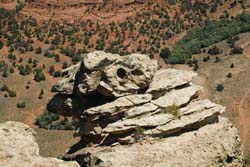
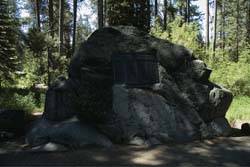
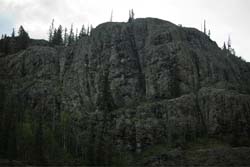
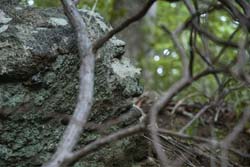
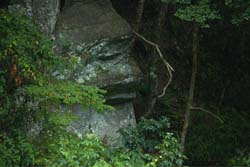
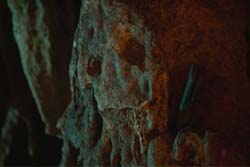
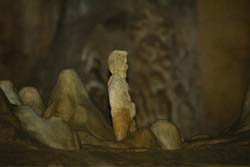
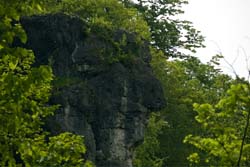
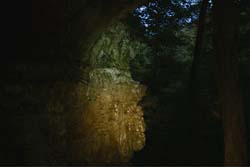
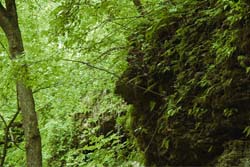
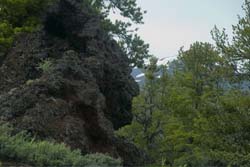
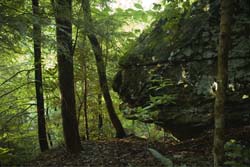
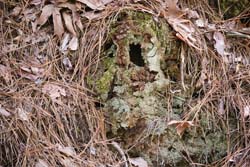
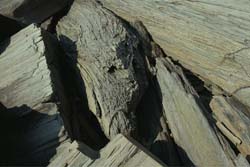
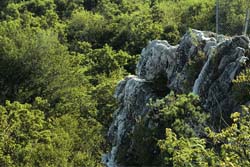
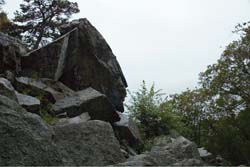
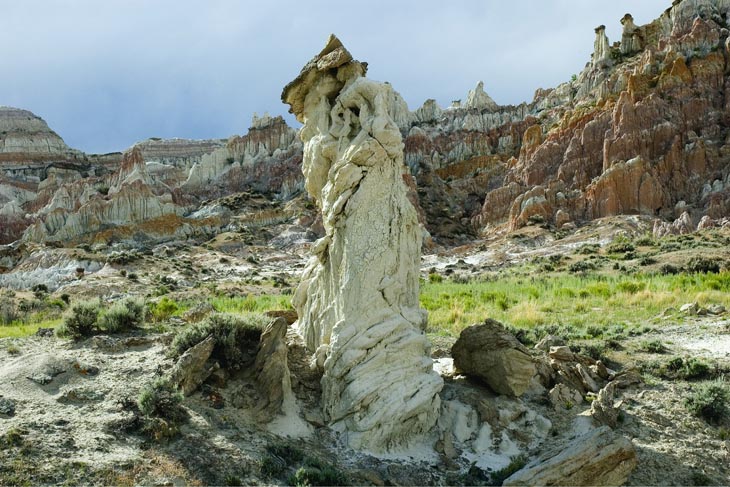
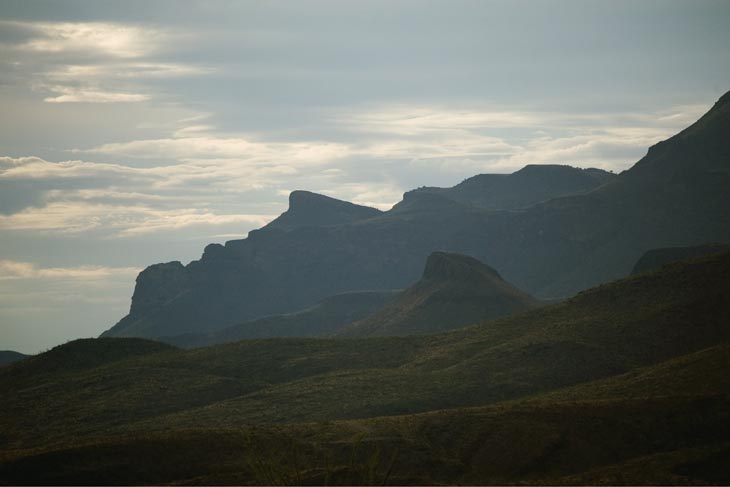
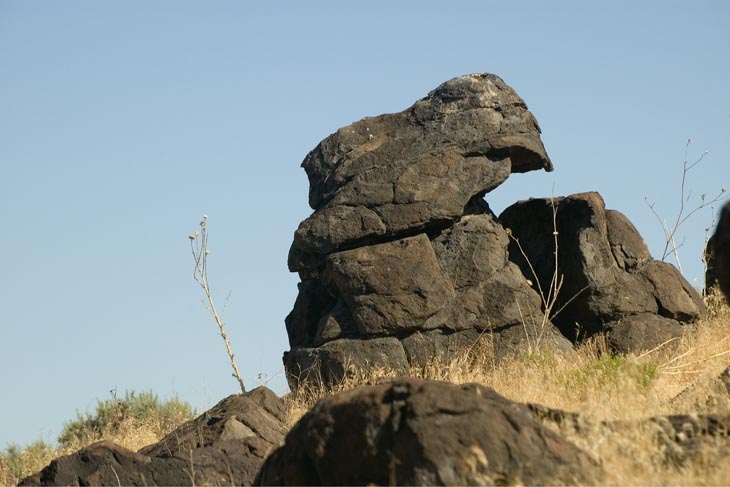
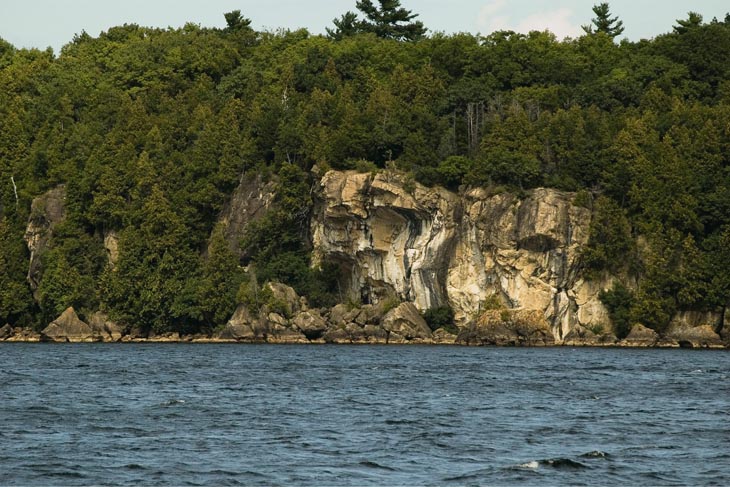
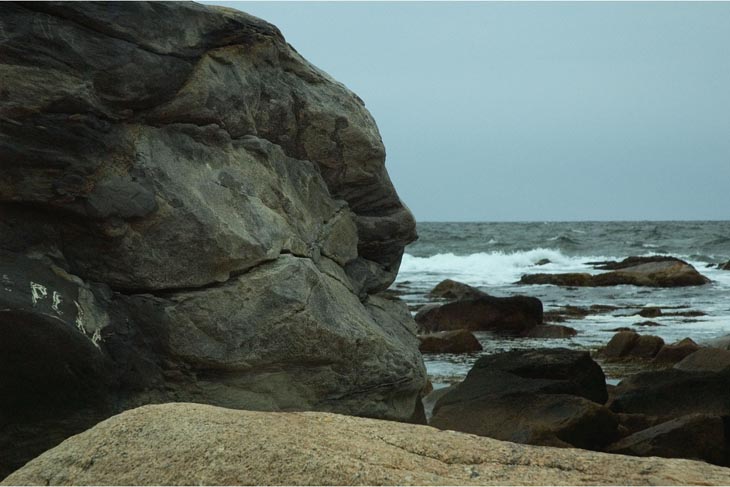
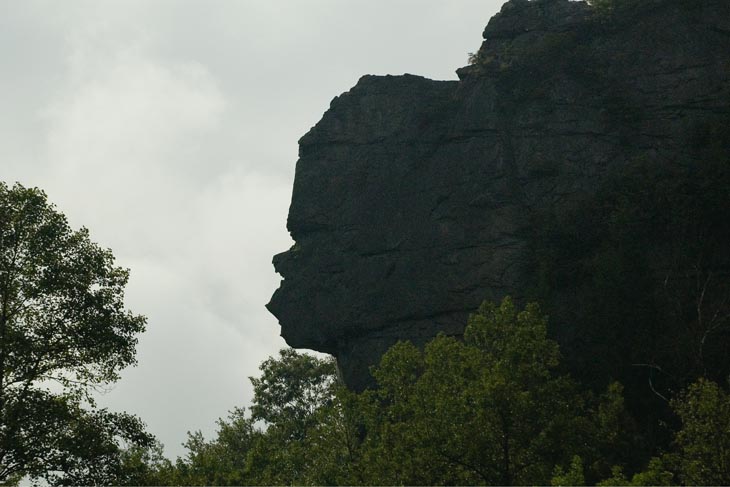
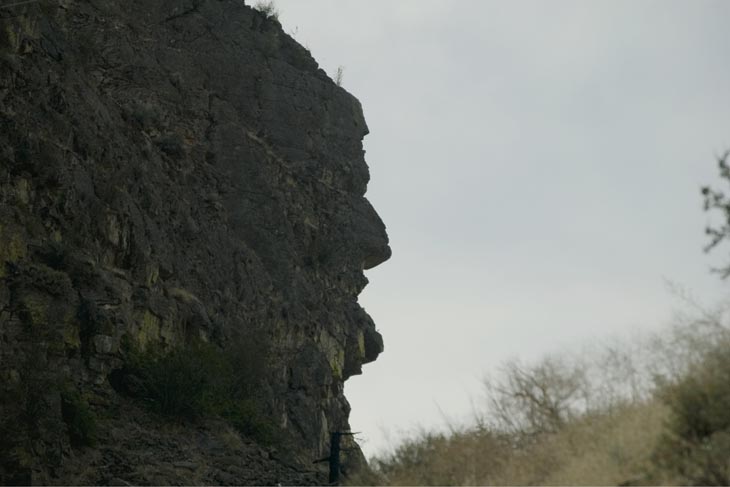
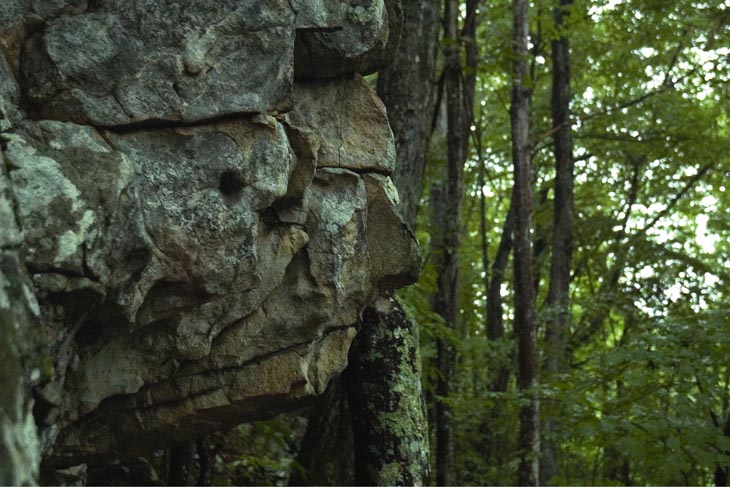
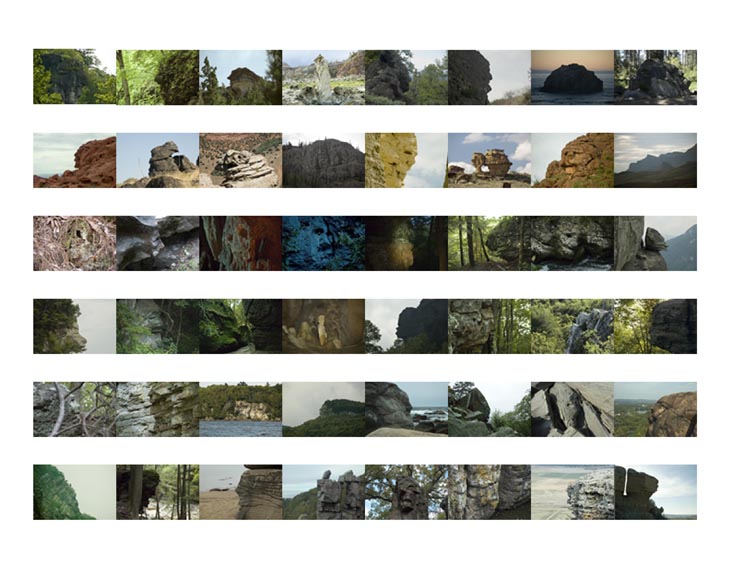
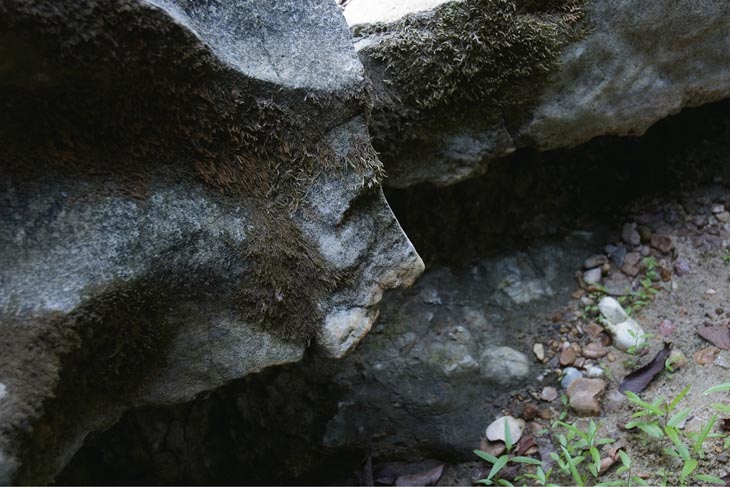
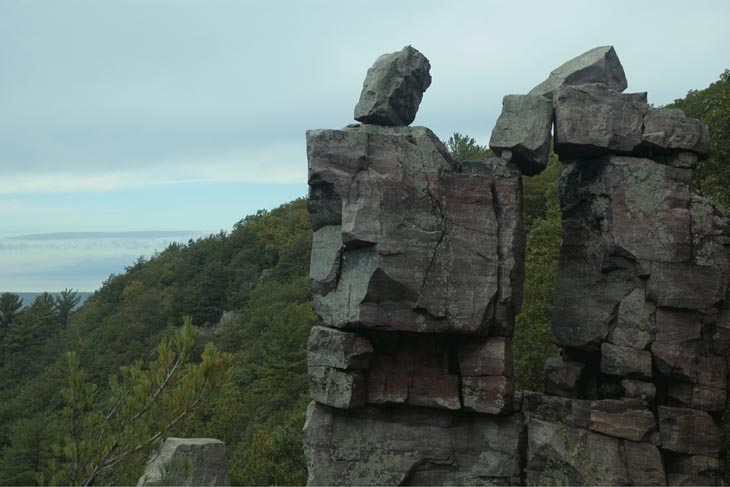
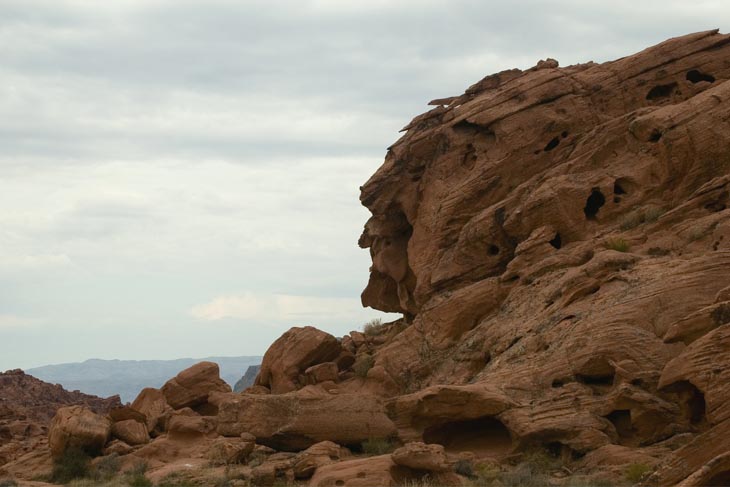
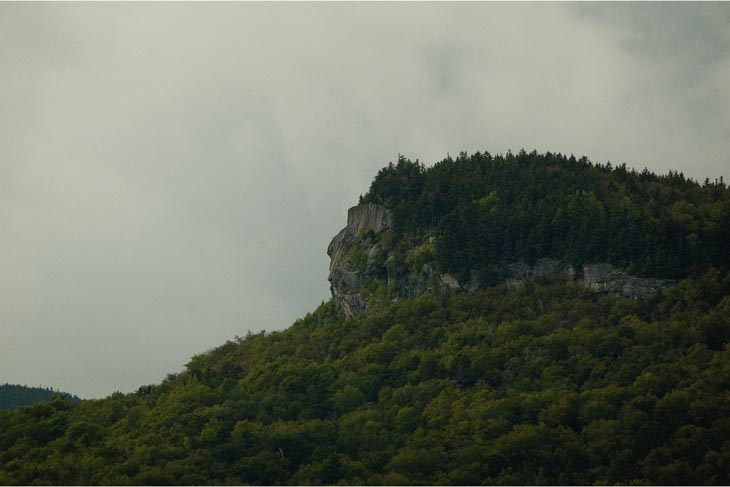
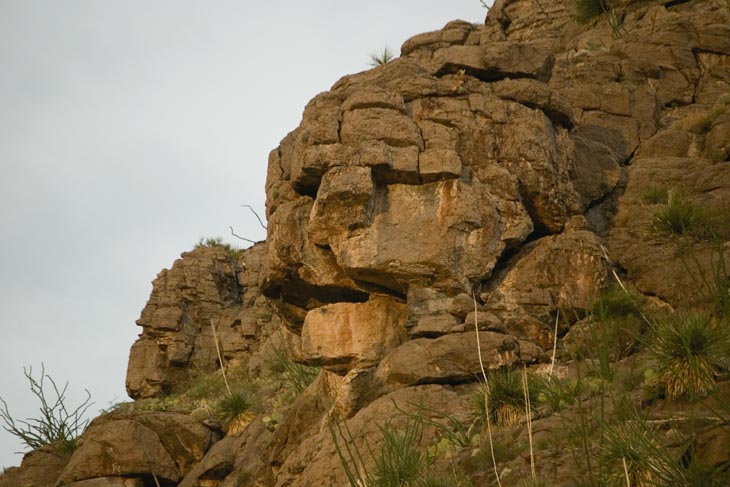
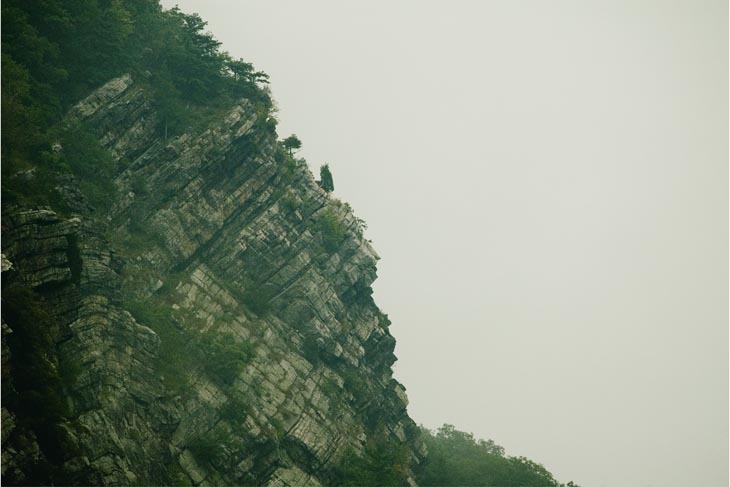
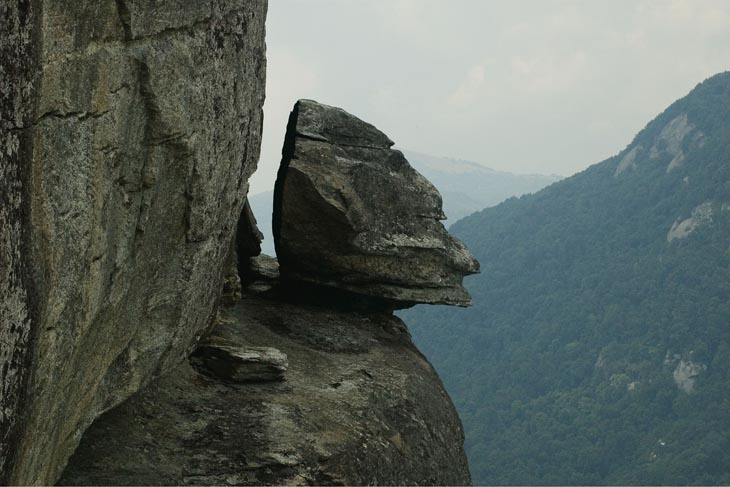
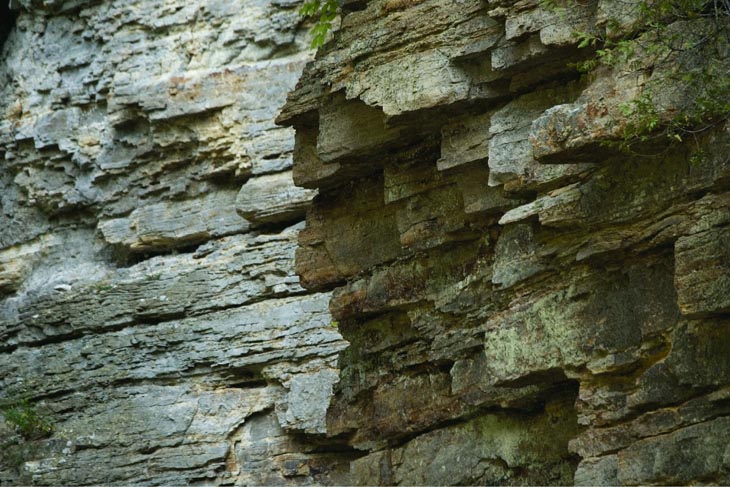
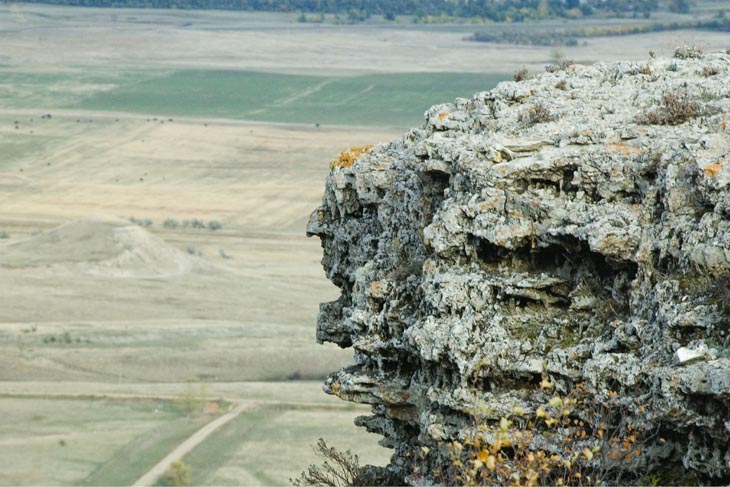
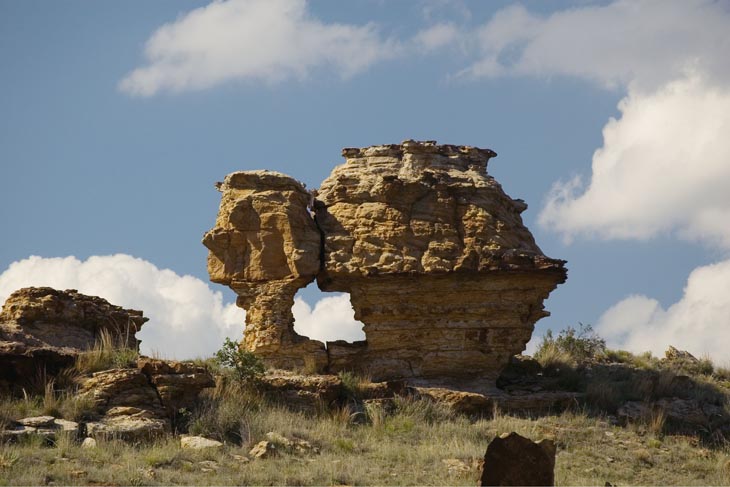
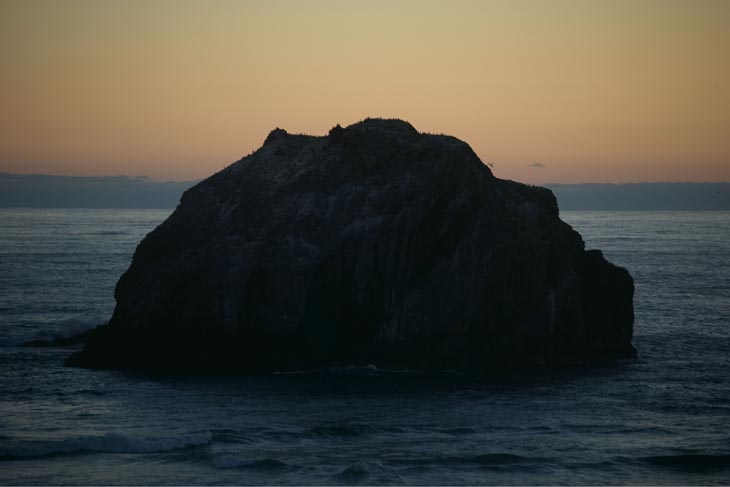
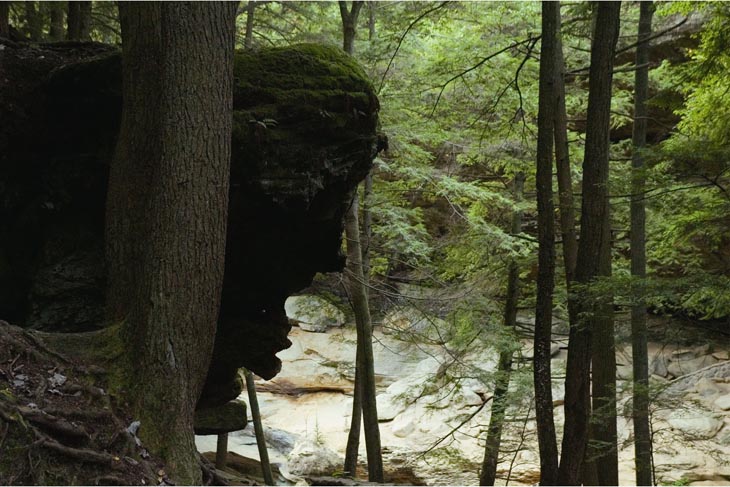
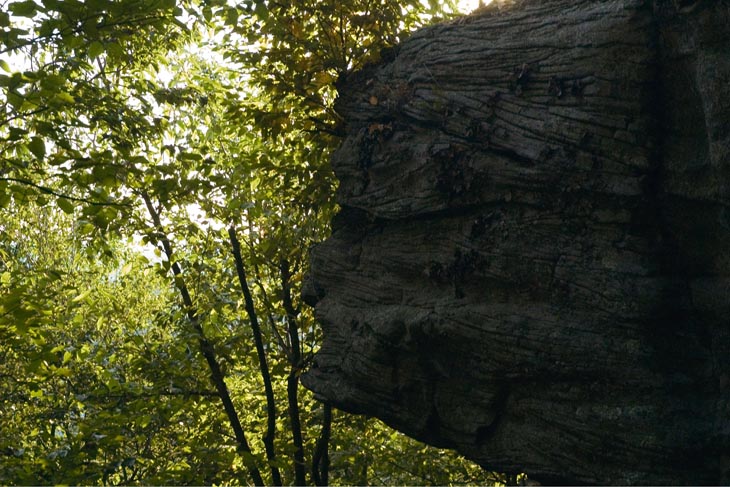
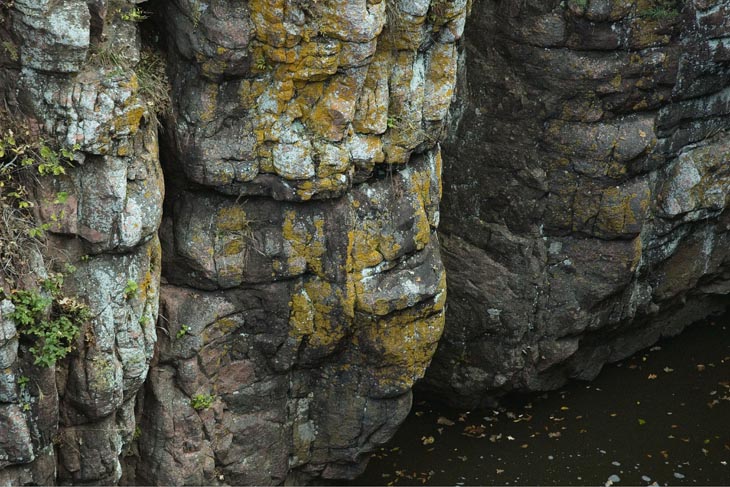
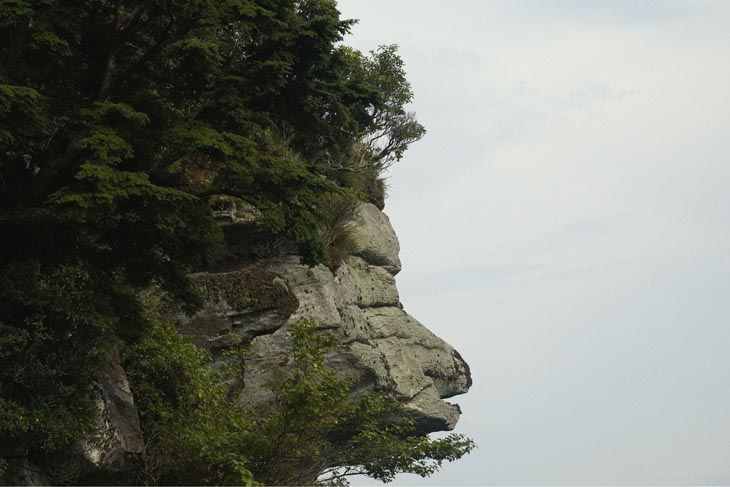
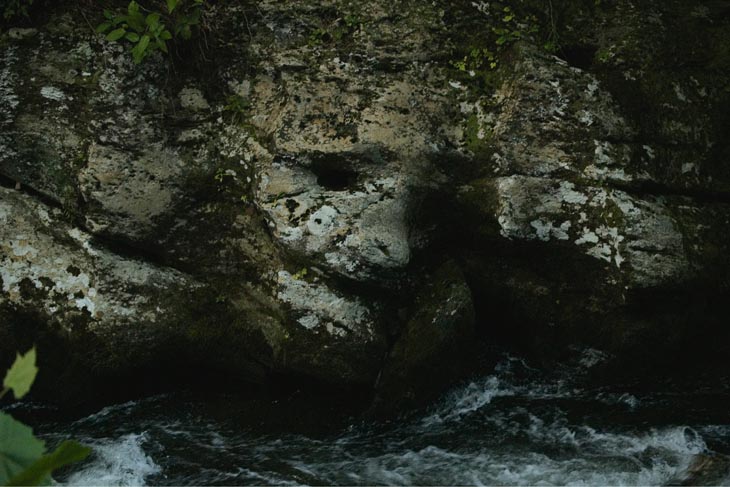
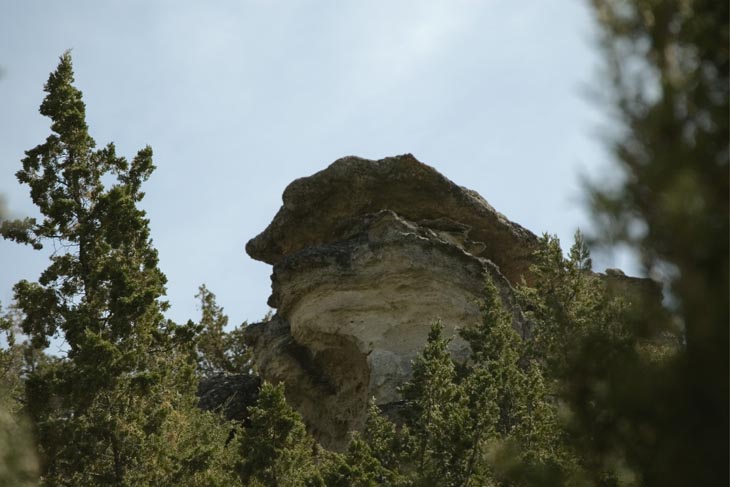
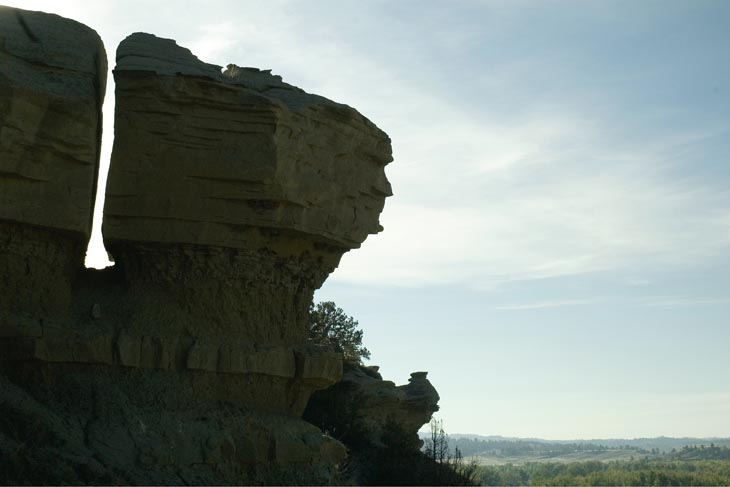
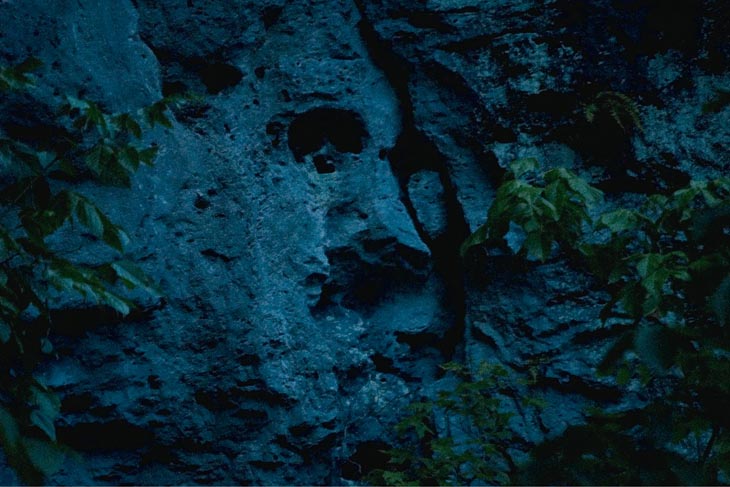
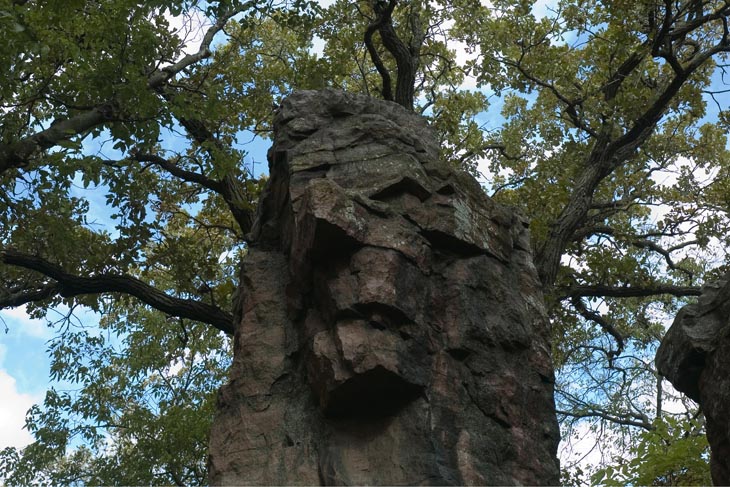
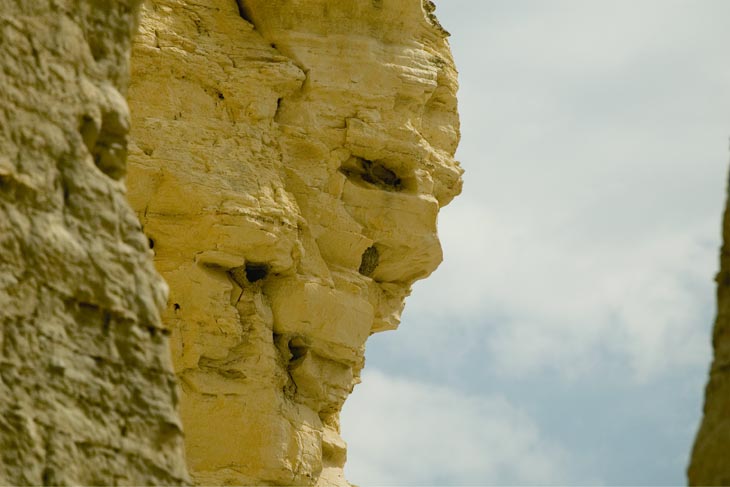
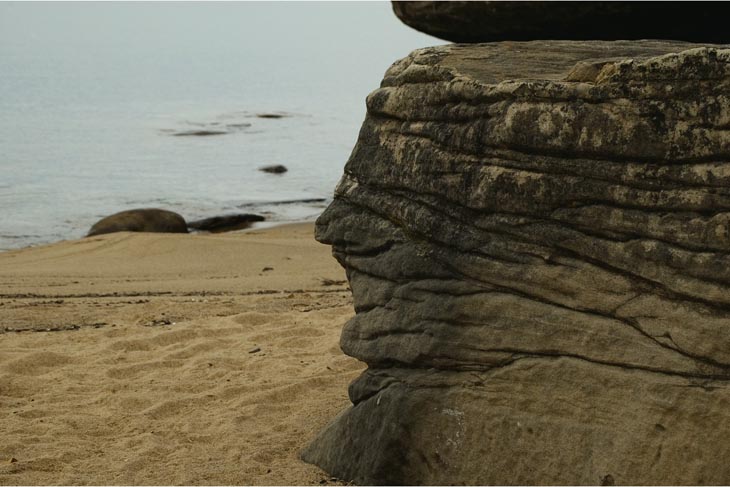
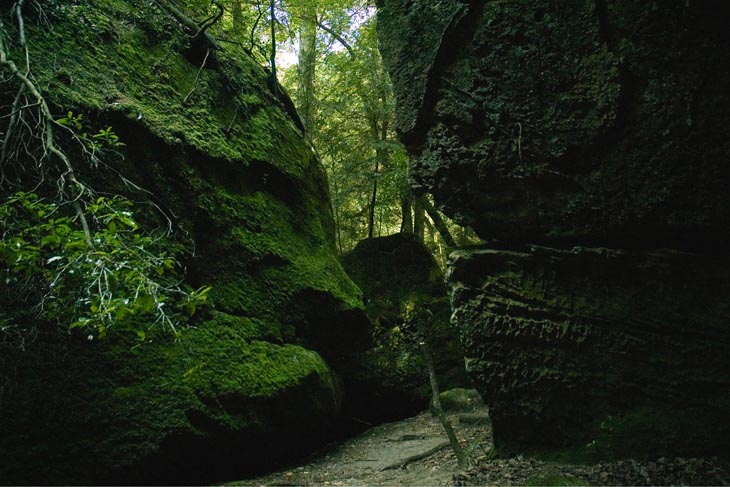
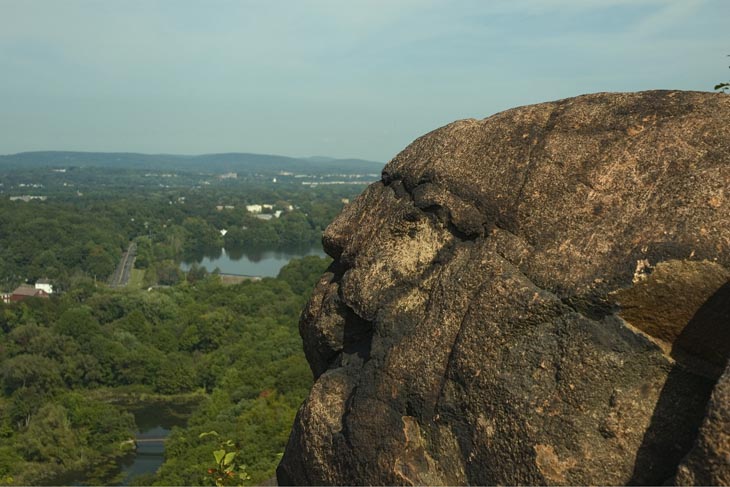
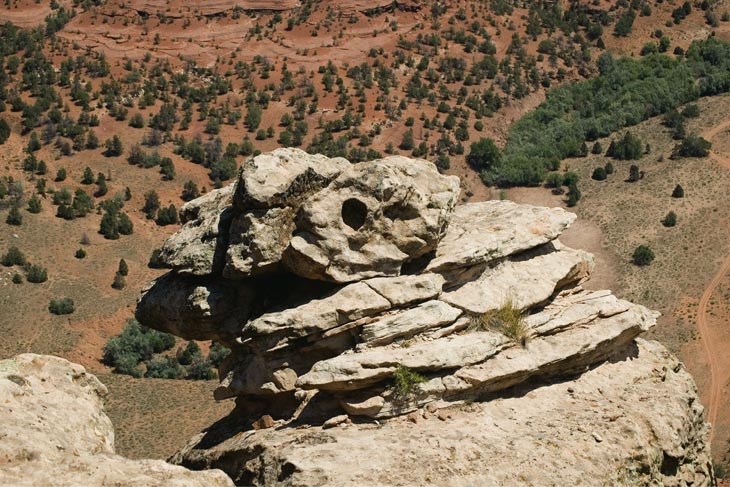
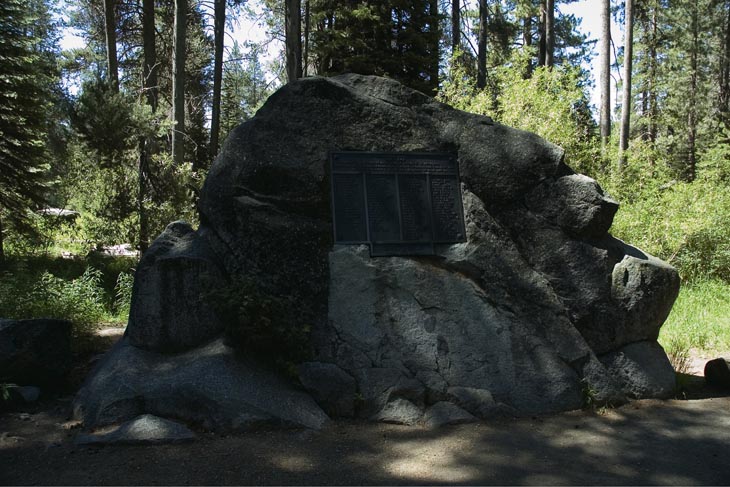
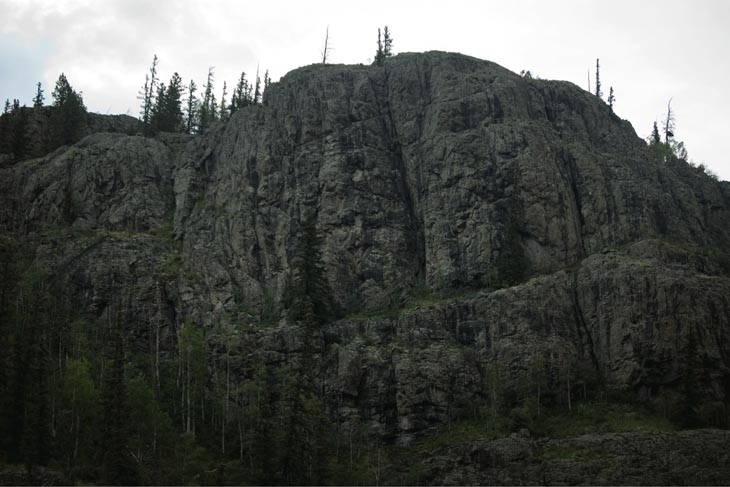
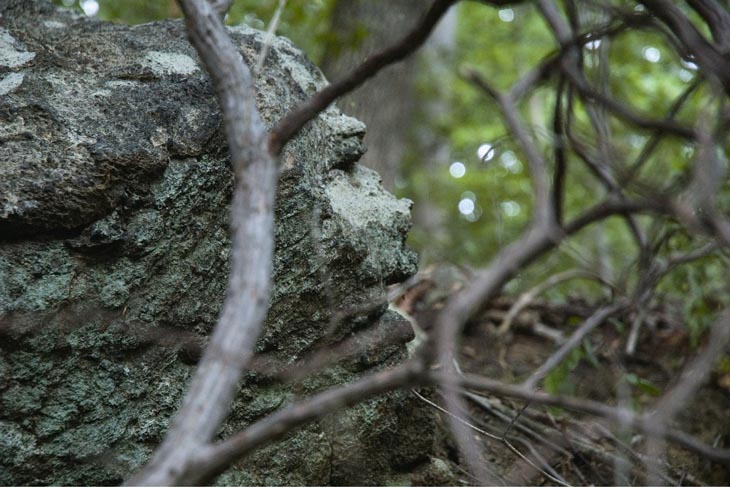
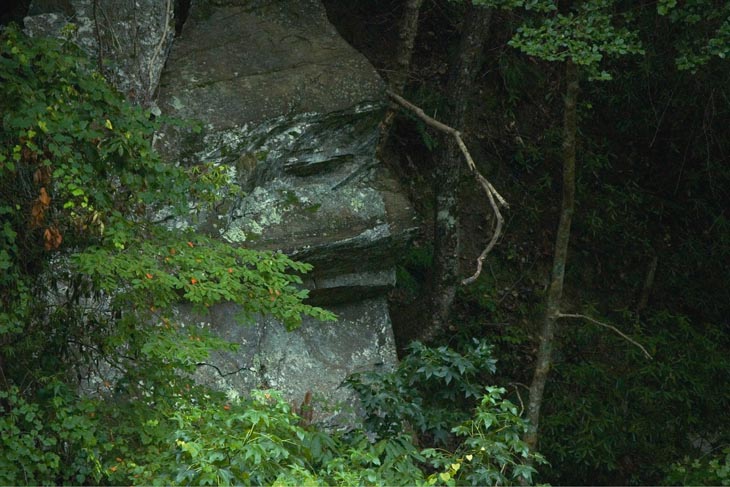
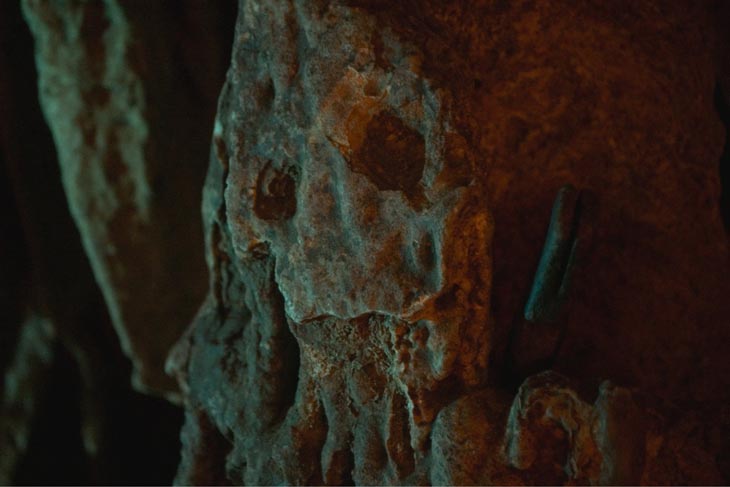
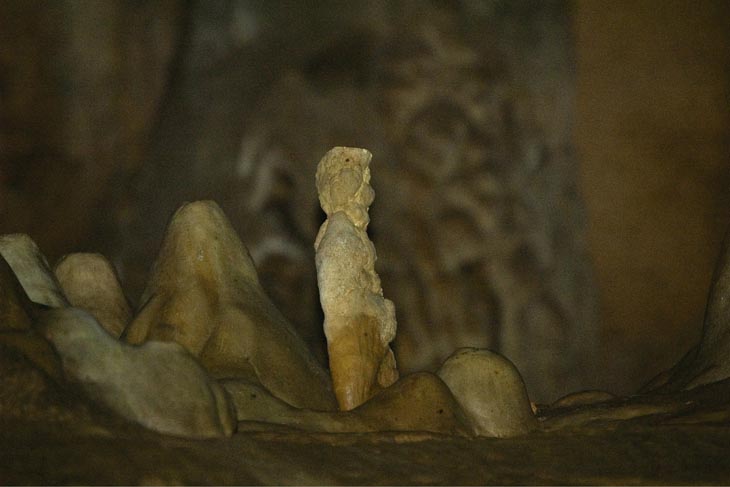
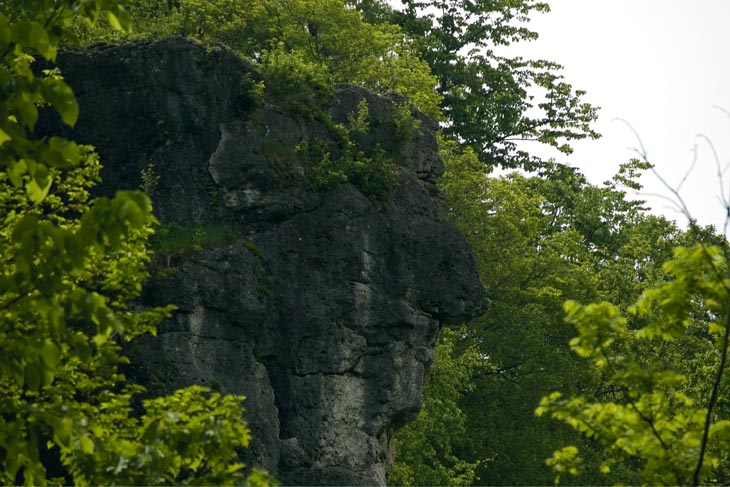
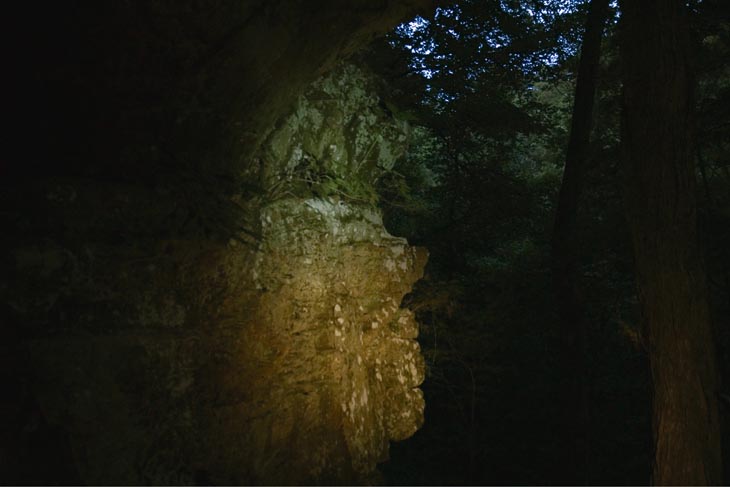
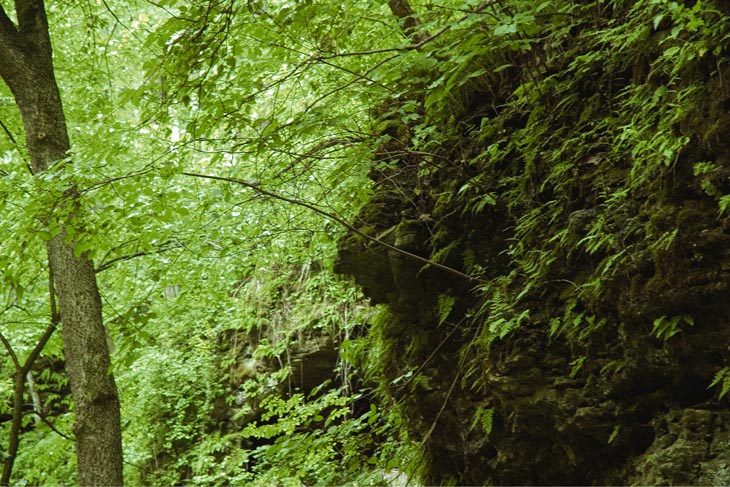
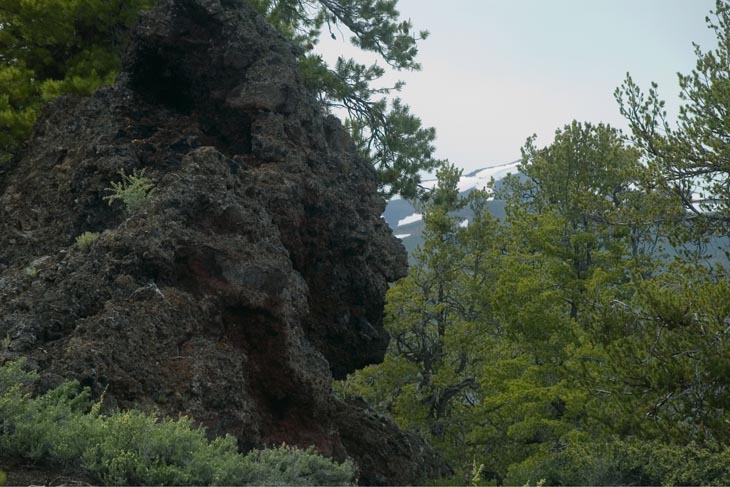
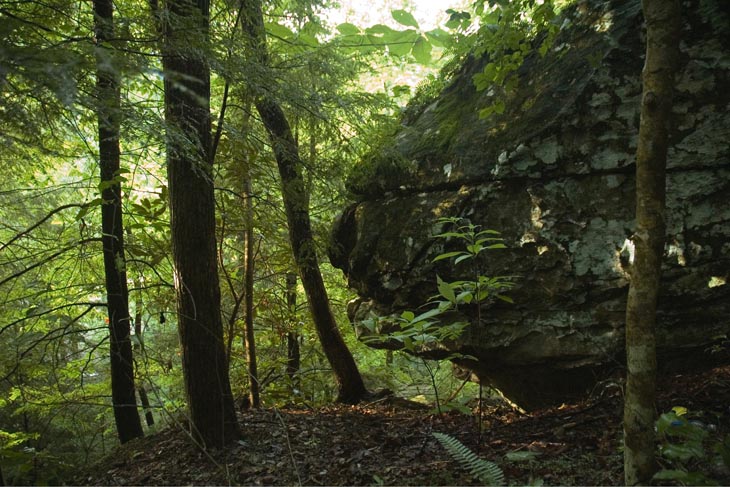
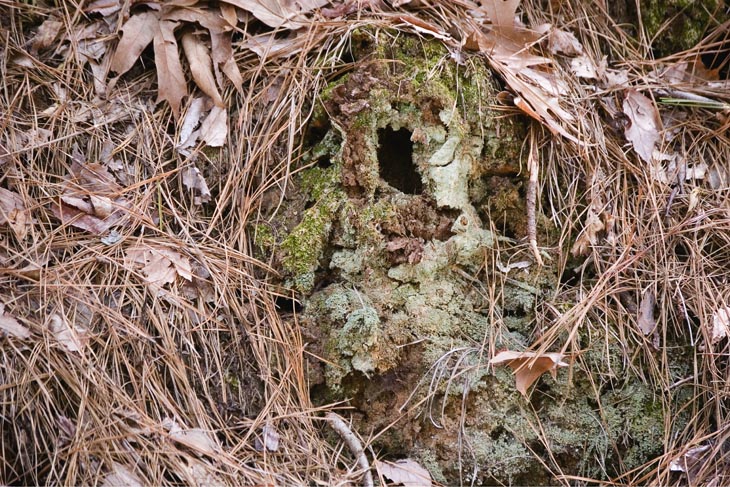
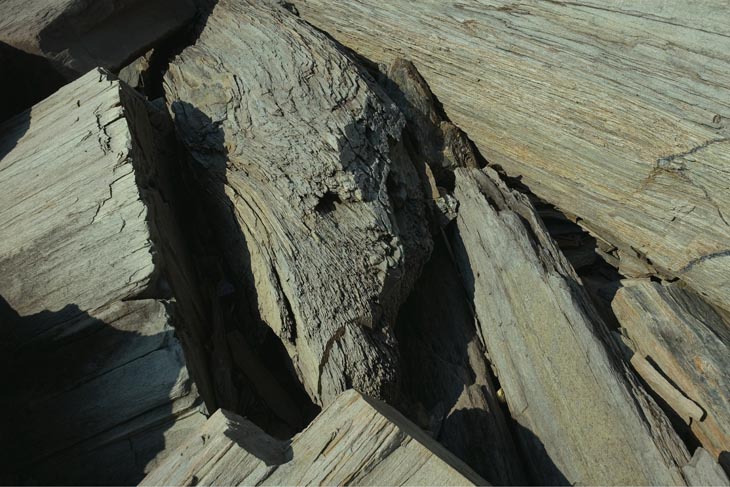
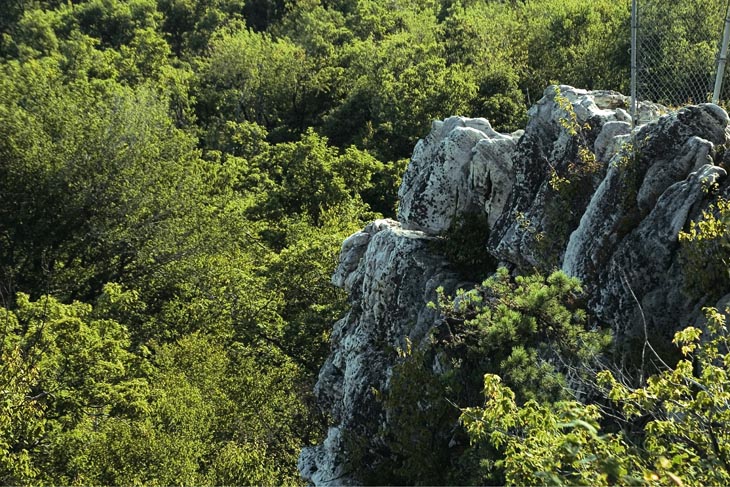
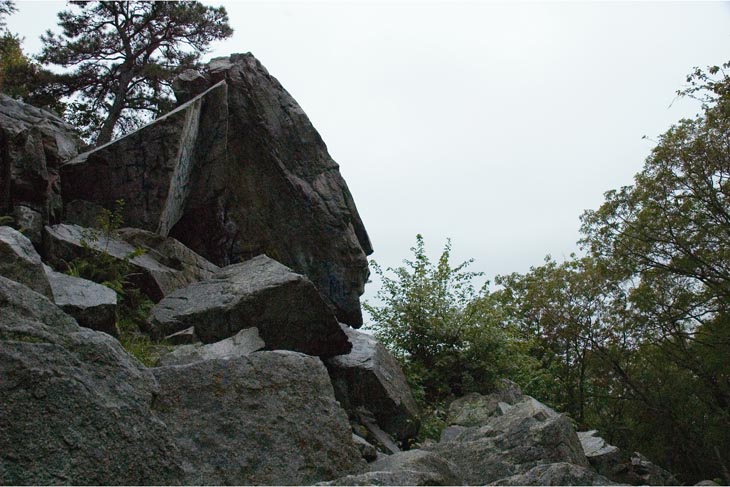
It would be misleading to say that sculptor Matthew Day Jackson simply photographed anthropomorphic land formations in the course of a four-month drive through the continental United States, as if they were just sitting there waiting for him. Perhaps a few of these noble heads were, but many others were camera shy and had to be coaxed out of hiding – only from certain camera angles would they agree to expose themselves. This initial reticence aside, the 48 different sentinels, each representing an historic region (Lincoln Head Park in Washington; Bandon Rocks in Oregon, Hells’ Half Acre in Wyoming, etc) pose with the same proud determination shown more or less a century ago by Edward Curtis’ Indian chiefs. But who are they? The answer, Jackson tells us, requires us to peer into a post-apocalyptic future, where each portrait depicts one of “Mother Nature’s Land Soldiers.” Through erosion, pollution and relentless environmental degradation they have resurfaced to reclaim the earth, guarding forests, surveying coastlines and even looking skyward for potential threats.
Text by William A Ewing