
Leonce Agbodjélou
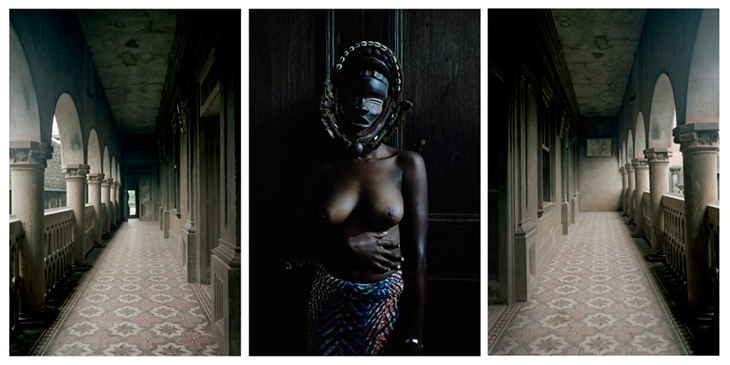
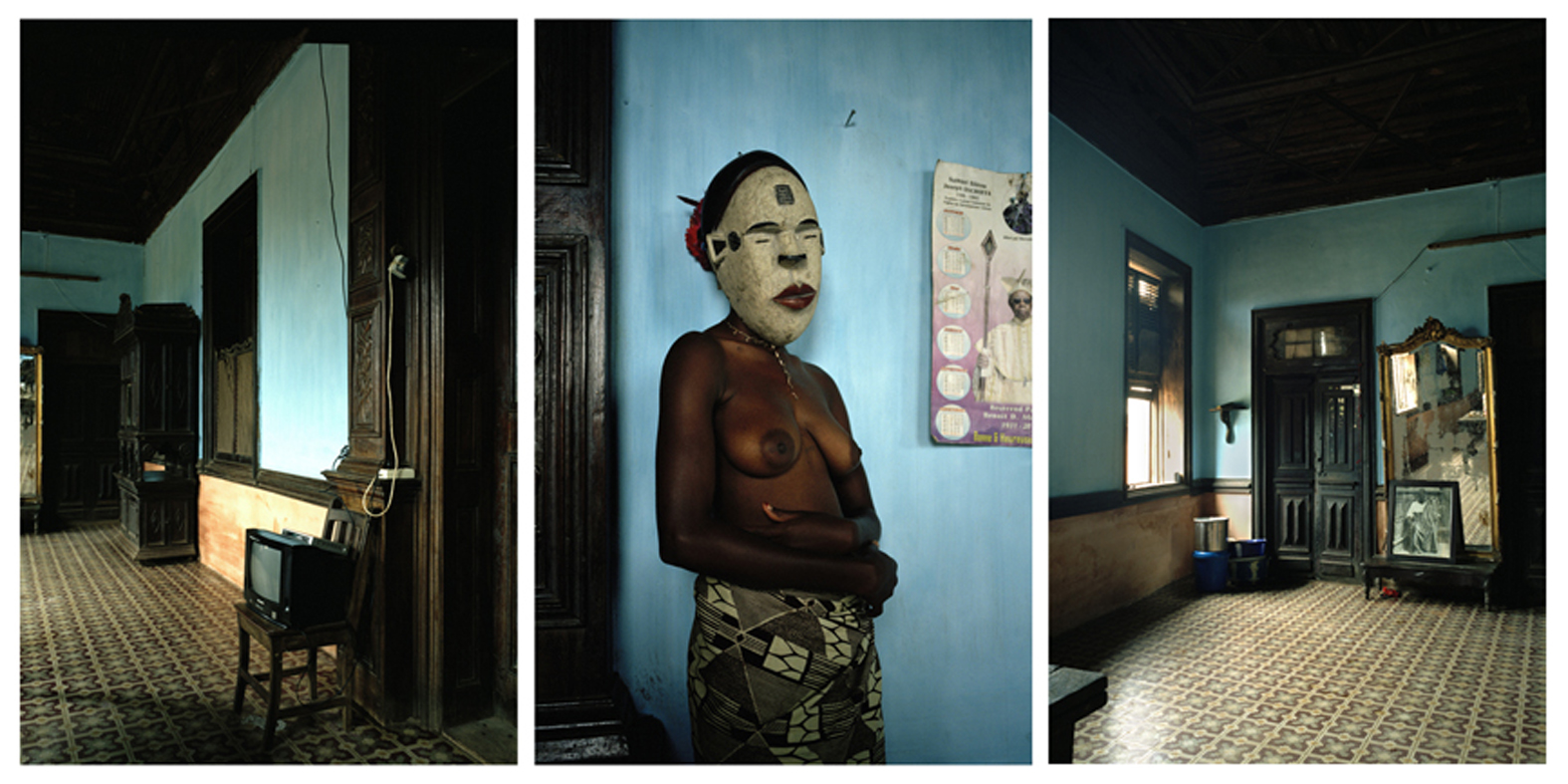
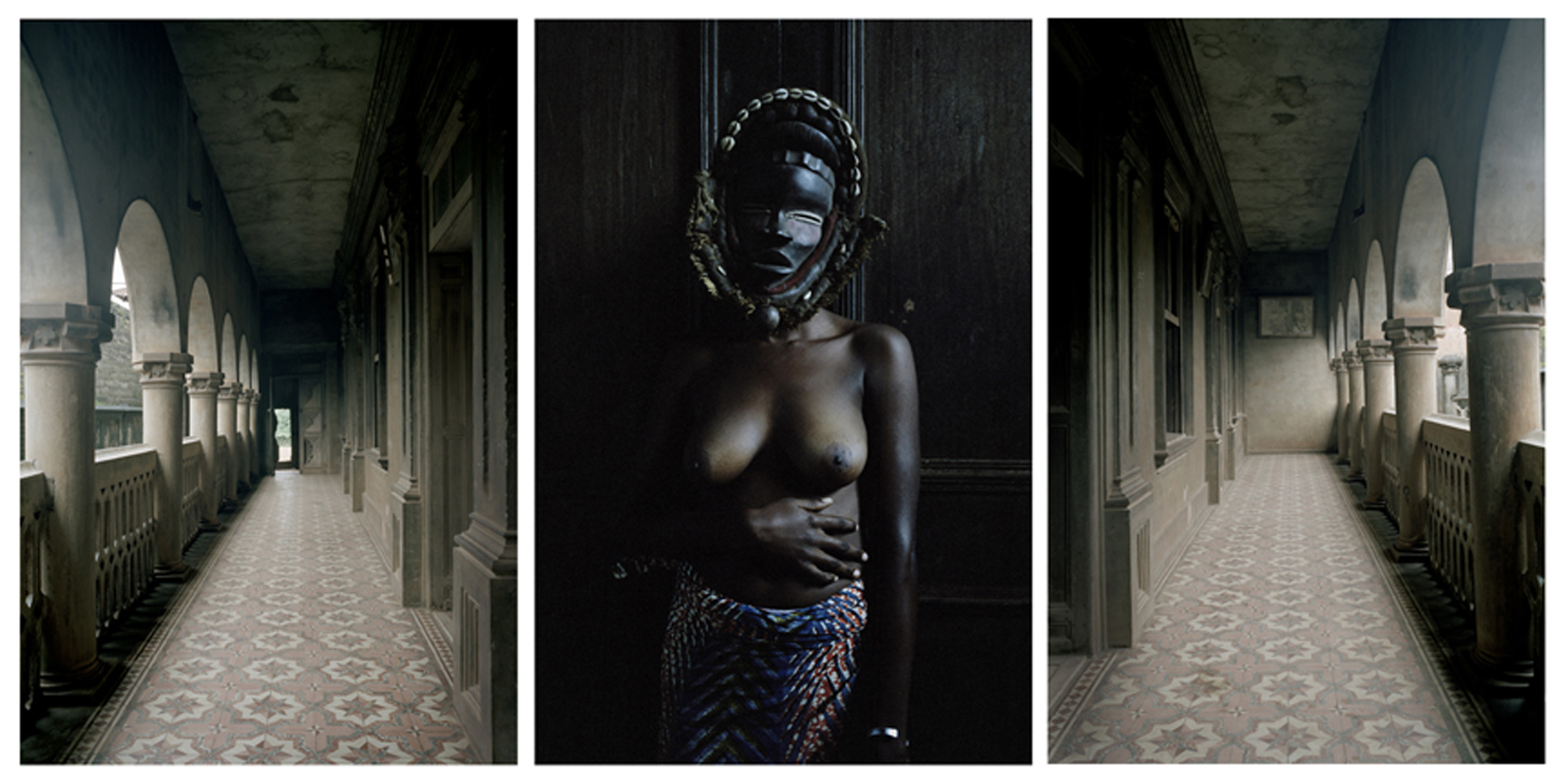
Agbodjélou’s house is one of a vast number of grand mansions built at the end of the 19th century by Africans returning home after the abolition of slavery in Brazil.
The building stands in as the artist’s melancholic set for the reversal of the gaze in the complex processes of colonization that marked the old slave port of Benin’s capital.
Text © Gabriela Salgado
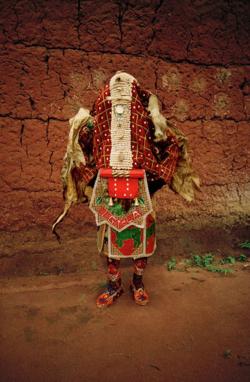
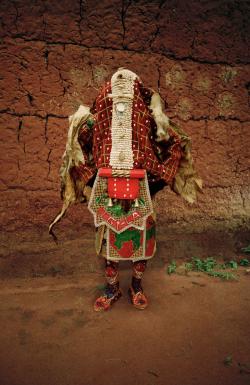
He would have seen, but he would not have understood. Today, that photographer is a black man, a citizen of Benin and the son of an illustrious photographer, Joseph Moise Agbodjélou (1912-2000). His generation of photographers had been exposed to the medium while fighting for the French in World War II and returned to West Africa to set up their own studios. His son has seen, and he has understood.
Text by William A Ewing
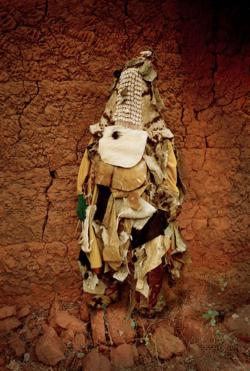
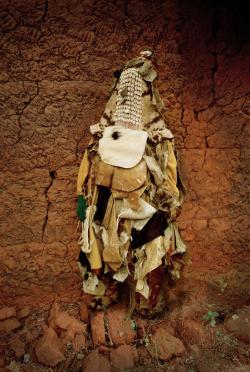
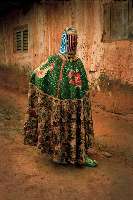
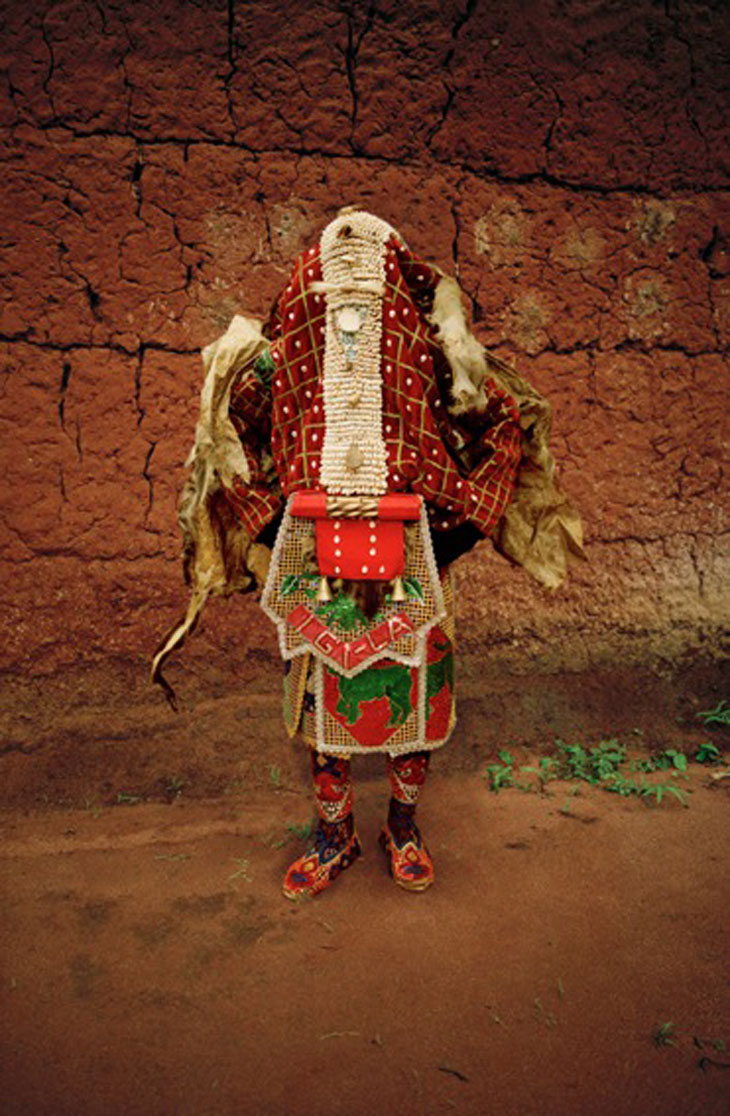
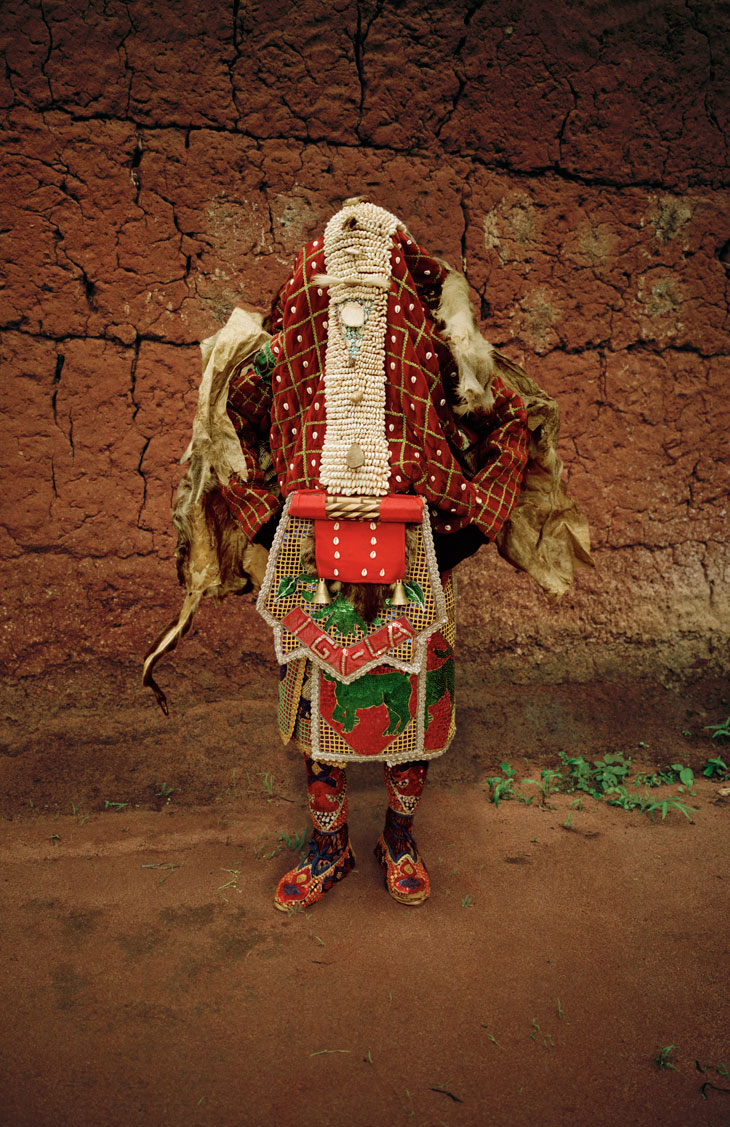
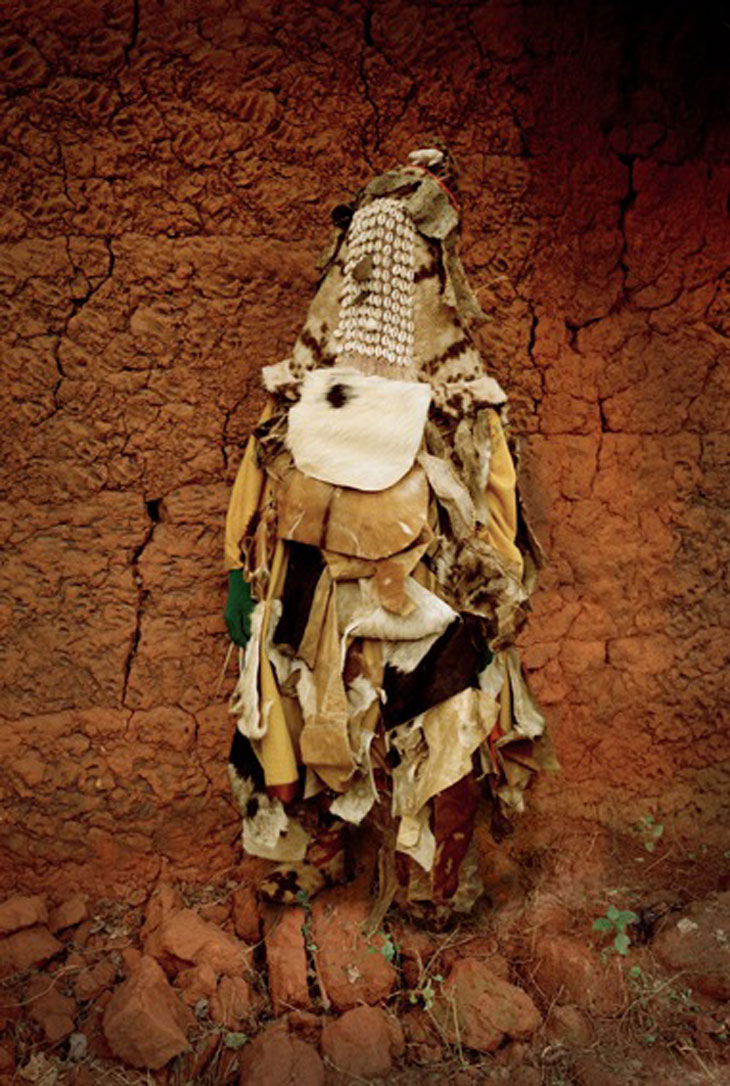
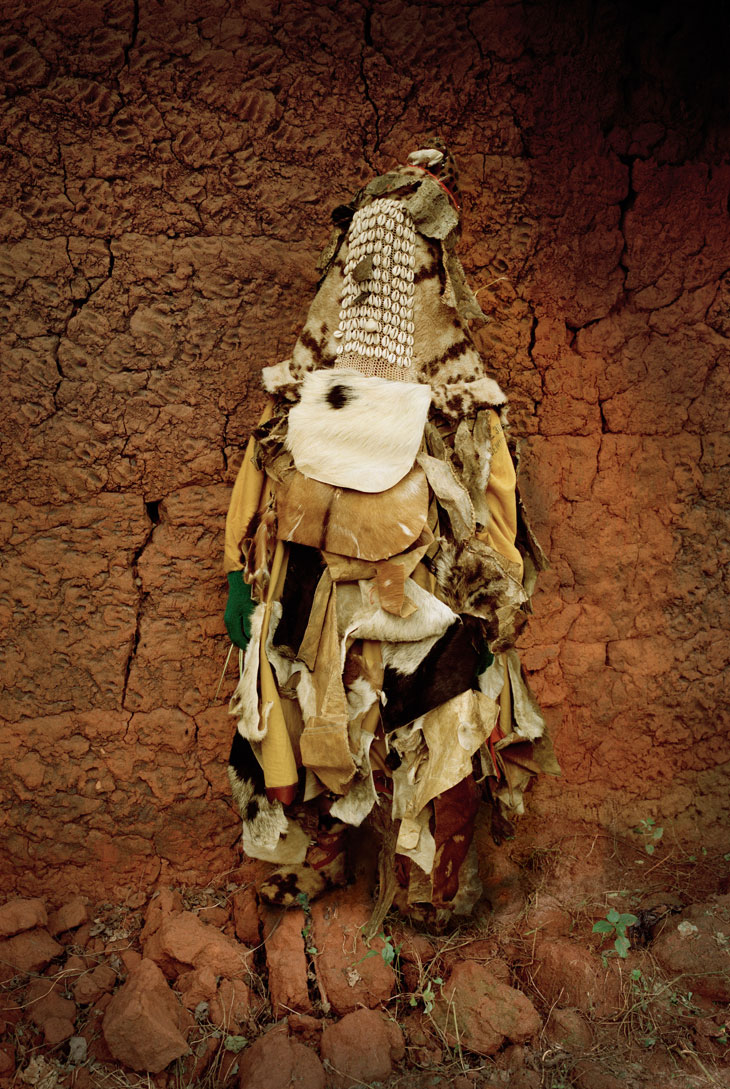
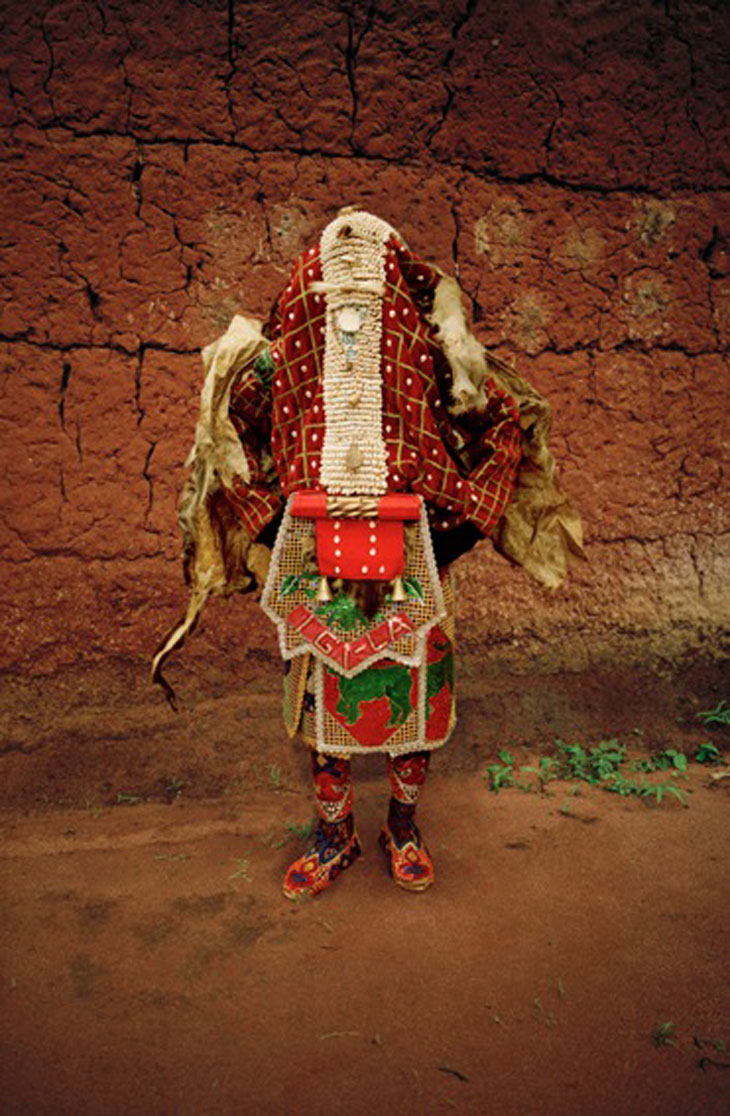
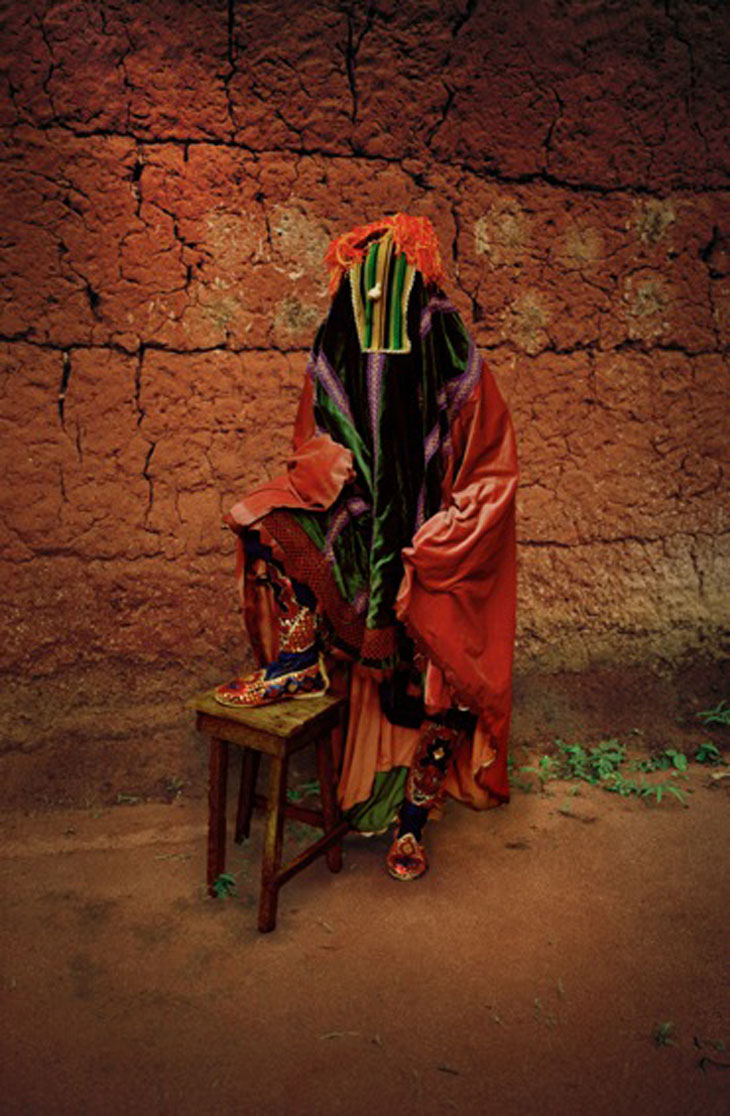
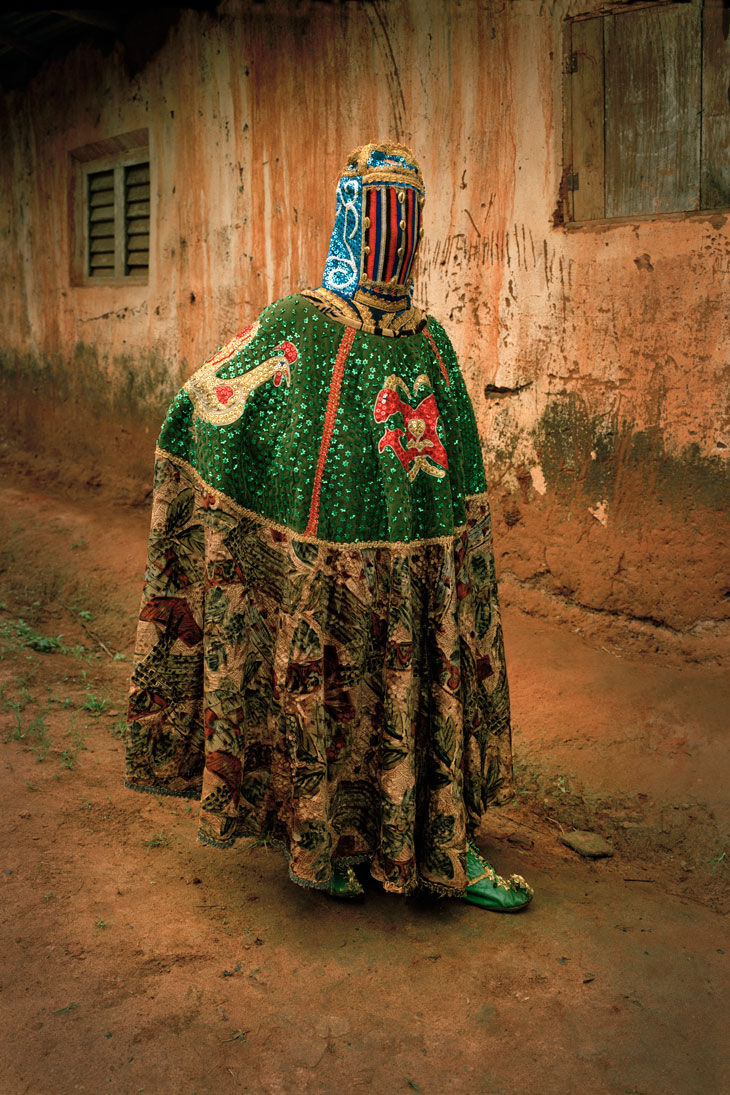
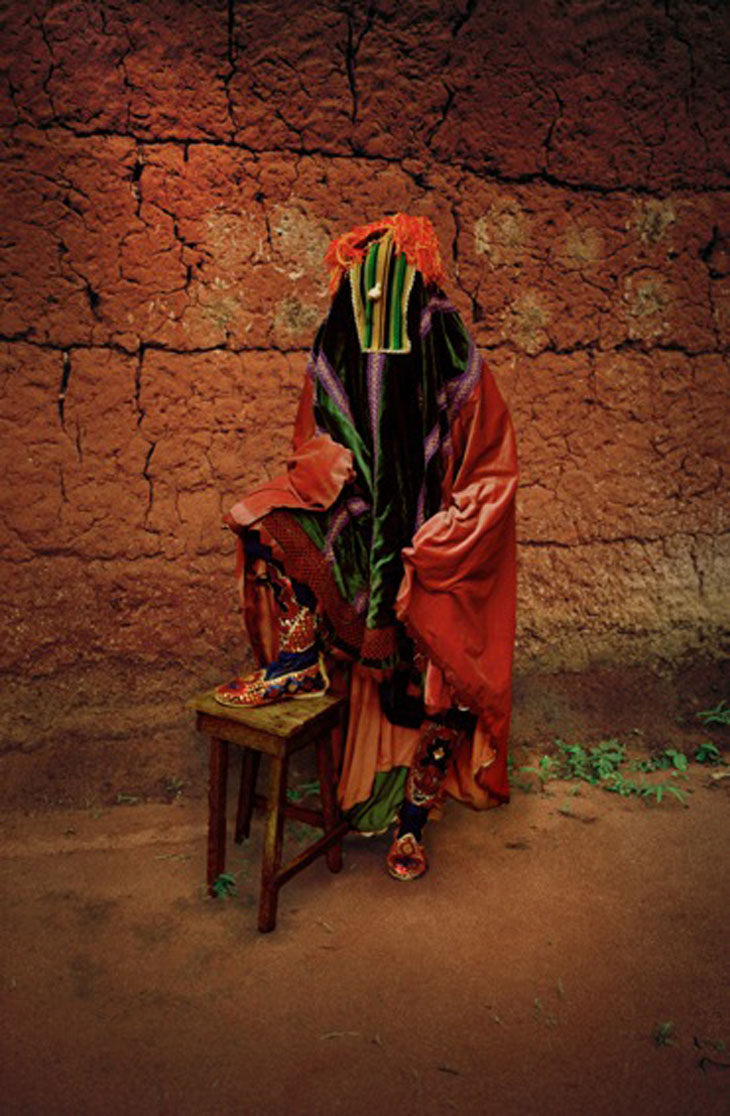
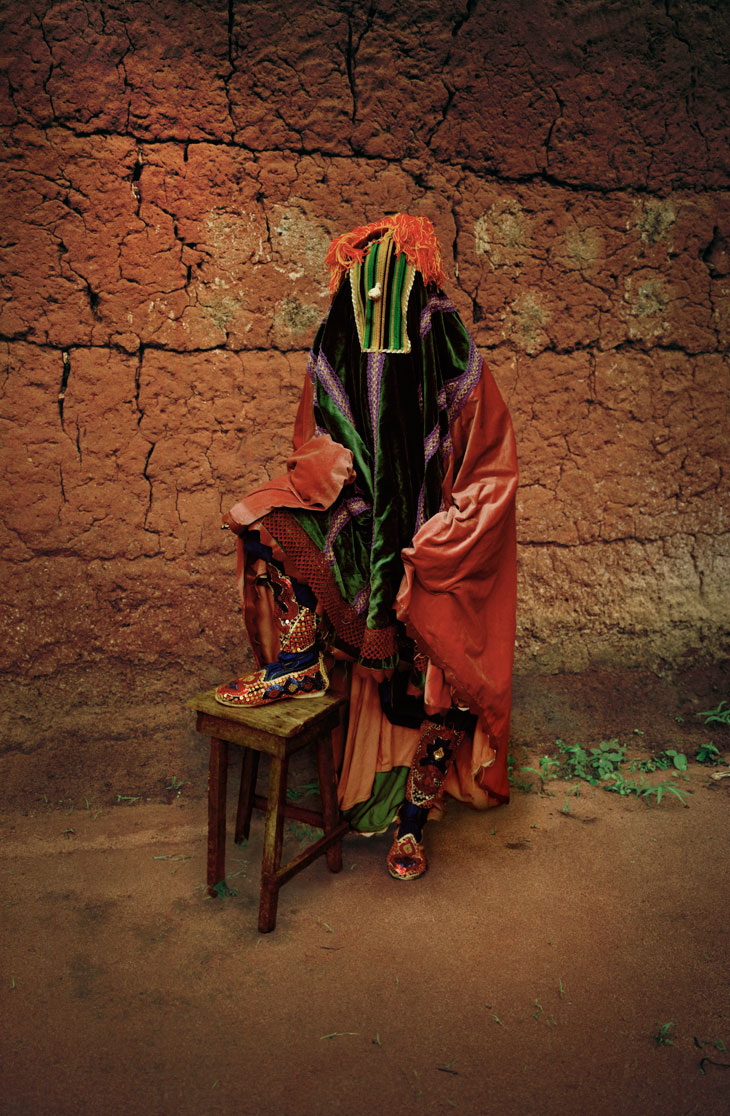
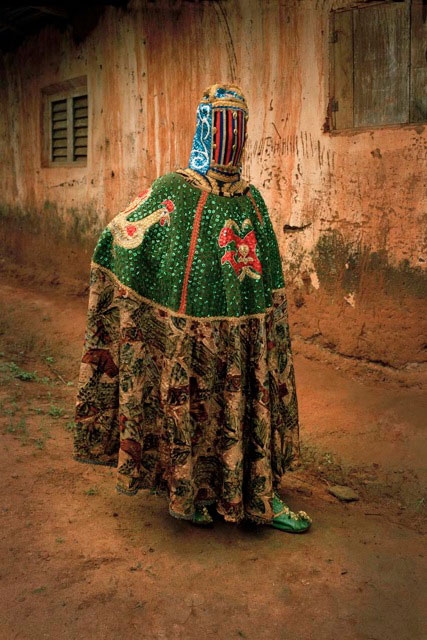
Today the Egungun masqueraders fulfill multiple functions in addition to being guides to the afterworld, performing the ceremony of cleansing the community prior to the rainy season, or delighting crowds with acrobatics and magical displays. But back a century ago, and more, the photographer would have been a white man, an anthropologist or missionary set out to document ‘the primitive, superstitious practices’ of people still back in ‘the childhood of Mankind’.
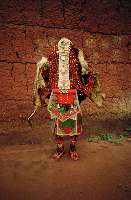
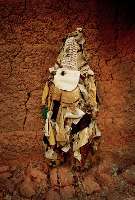
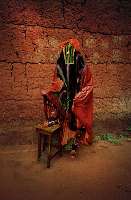
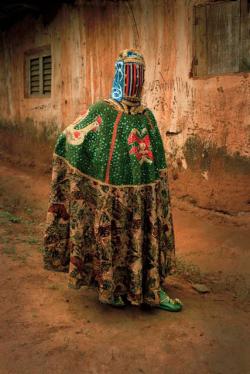
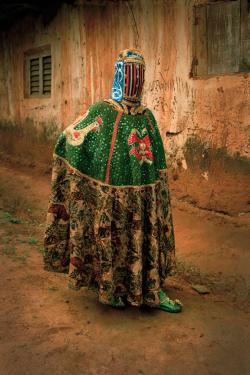
One can imagine photographs looking like this 150 years ago and, had the medium existed then, one thousand years go, when masqueraders began to appear at Yoruba funerals to guide the passage of the deceased to the spirit world.
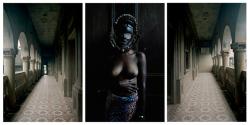
Benin’s Leonce Raphael Agbodjélou follows this unique tradition as the successor of his father’s photographic practice. He has projected such legacy into the future by founding the first photography school in Porto-Novo.
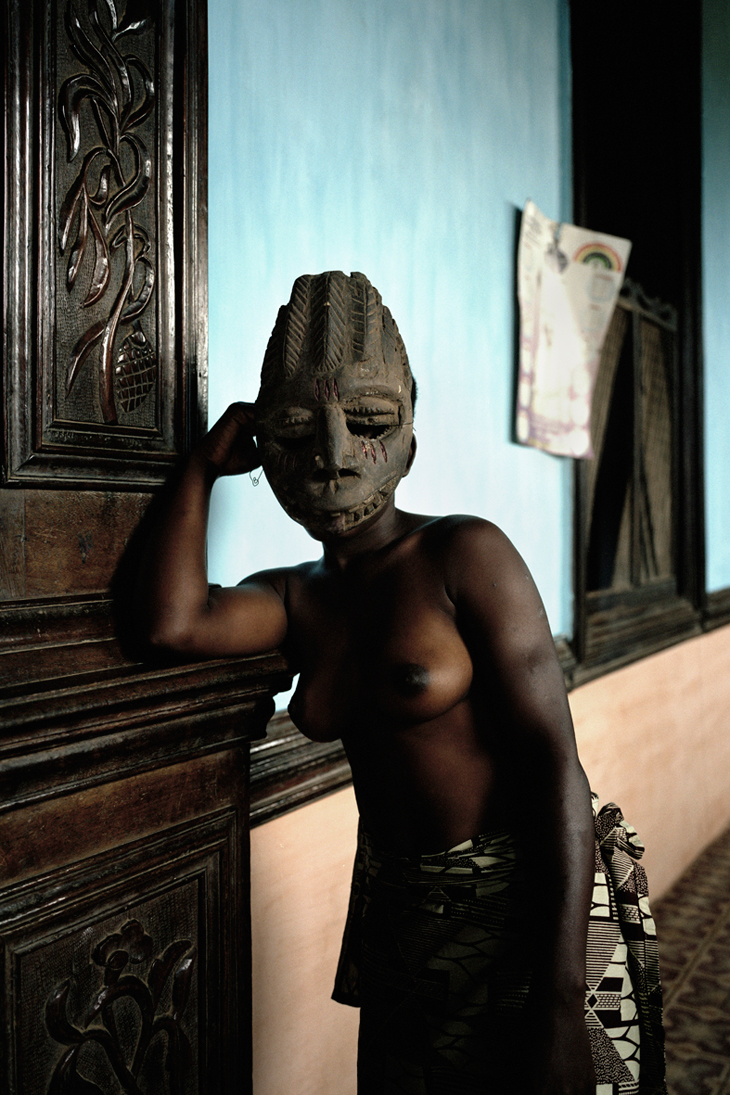
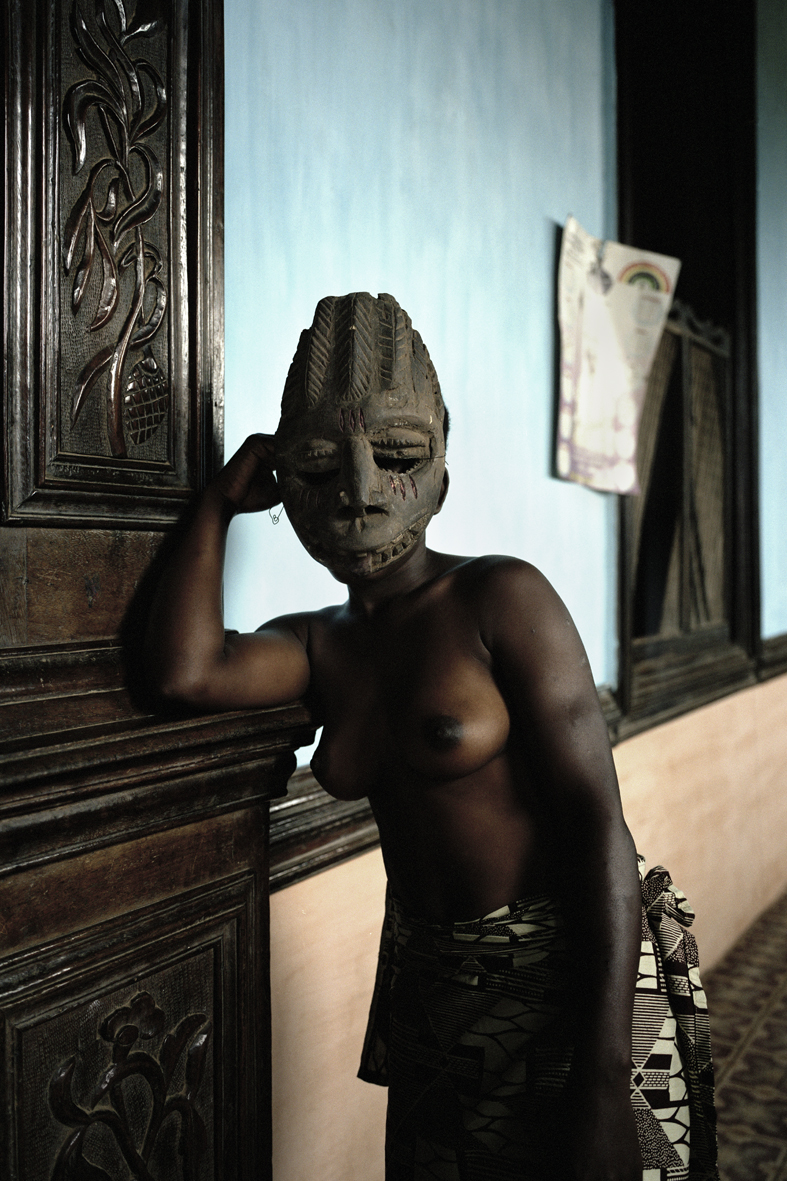
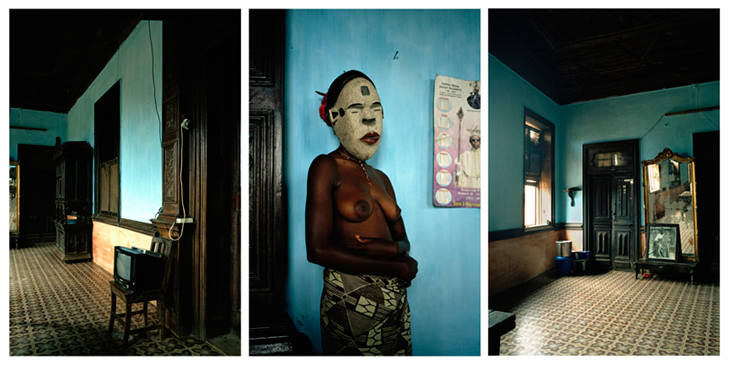
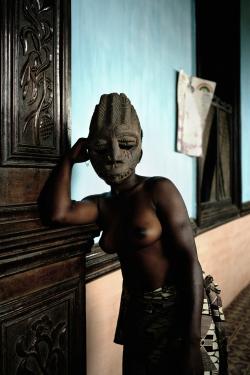
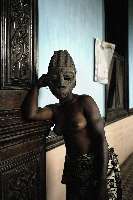
His Demoiselles de Porto Novo are among a number of bodies of work encompassed in Citizens of Porto Novo series, which focuses on social and cultural facets of the city such as religious ritual, sport, and even smuggling. In the Demoiselles, the elegance of the sitters is punctuated with historical references: the female models dressed in traditional fashion nonchalantly exhibit their nude torsos in the colonial setting of the artist’s family home. We suspect them watching us behind the wooden ceremonial masks that elicit Picasso’s Demoiselles d’Avignon.
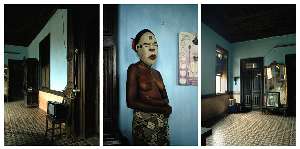
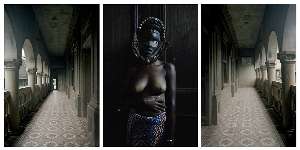
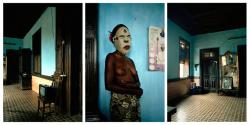
During the last half of the 20th century, photographic portraiture underwent impressive expansion in West Africa. The advent of independence that swept the continent in the 1950s and 1960s provided a sense of pride expressed in fashion, music and all aspects of social life that leaked into photographers’ studios. In most coastal cities photographers played a significant role in creating an archive of these developments, making the movements immortal.
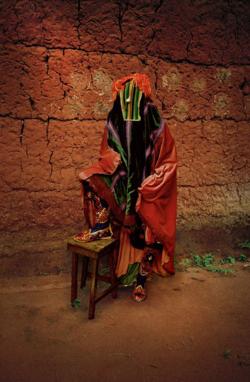
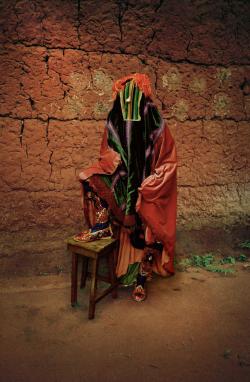
Much has changed for the Yoruba and their spiritual guides, who now find themselves in the Republic of Benin, and their costumes have probably absorbed a host of influences over the centuries, but Agbodjélou’s clever strategy of placing his subjects against mud brick walls conveys this sense of an essentially unaltered time.