ARTIST:
Yuken Teruya
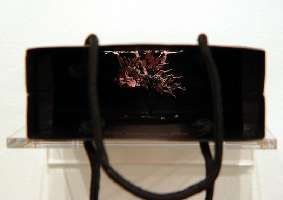
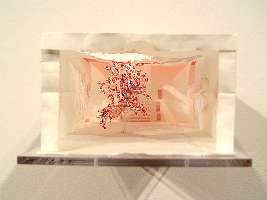
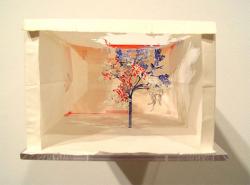
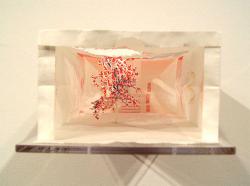
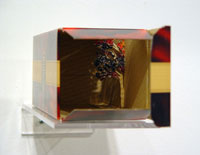
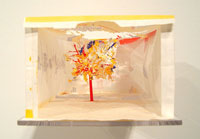
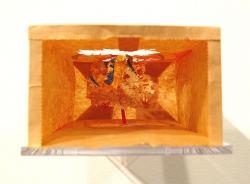
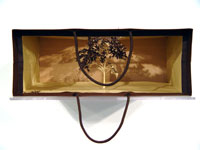
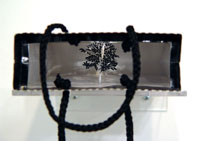
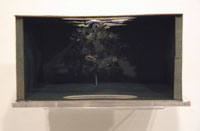
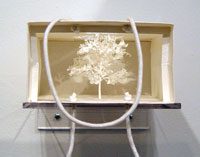
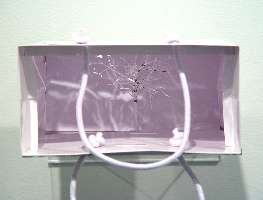
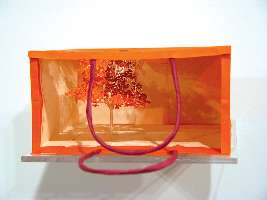
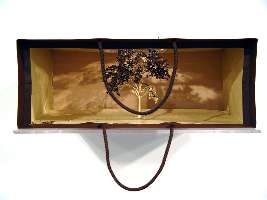
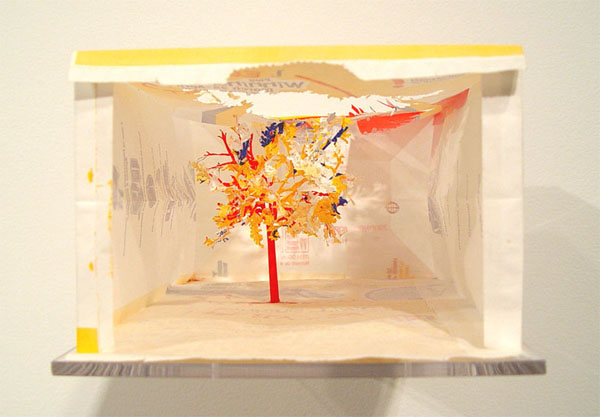
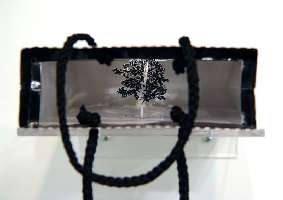
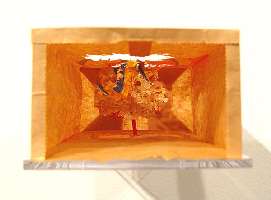
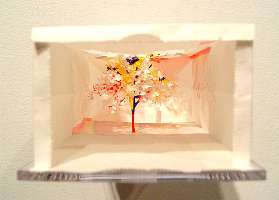
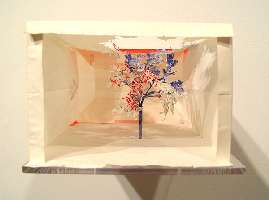
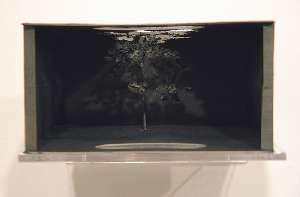
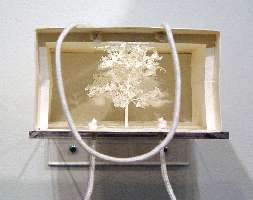
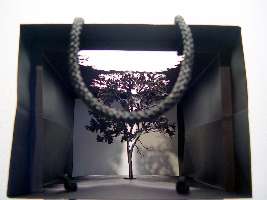
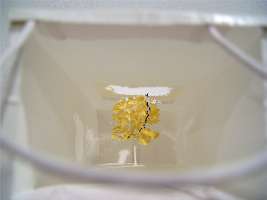
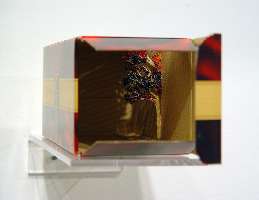
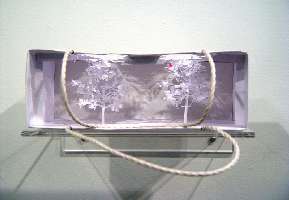
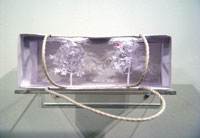
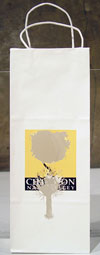
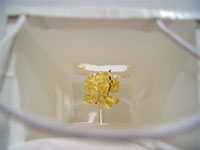
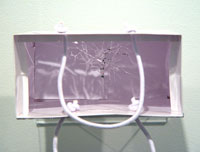
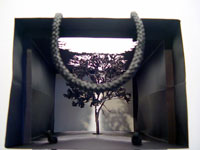
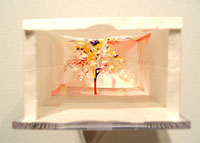
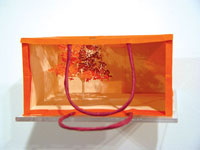
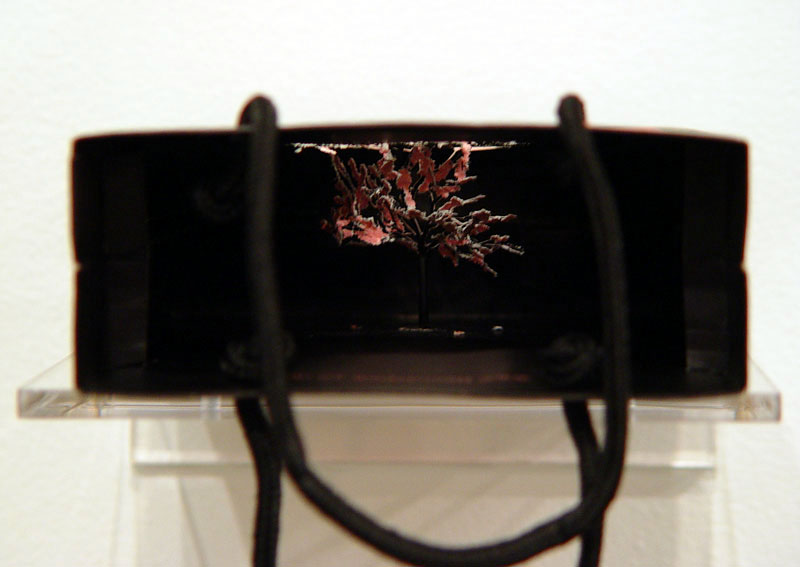
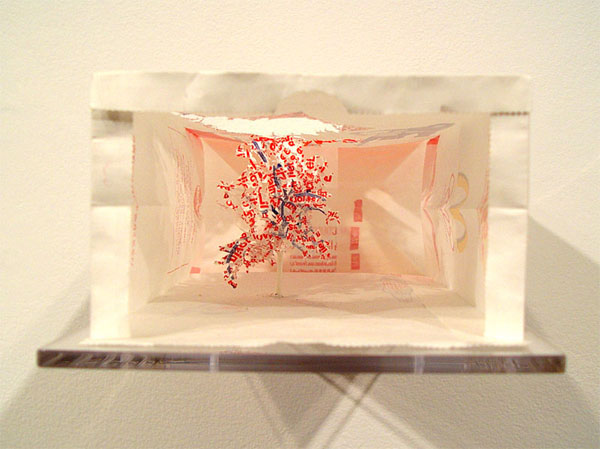
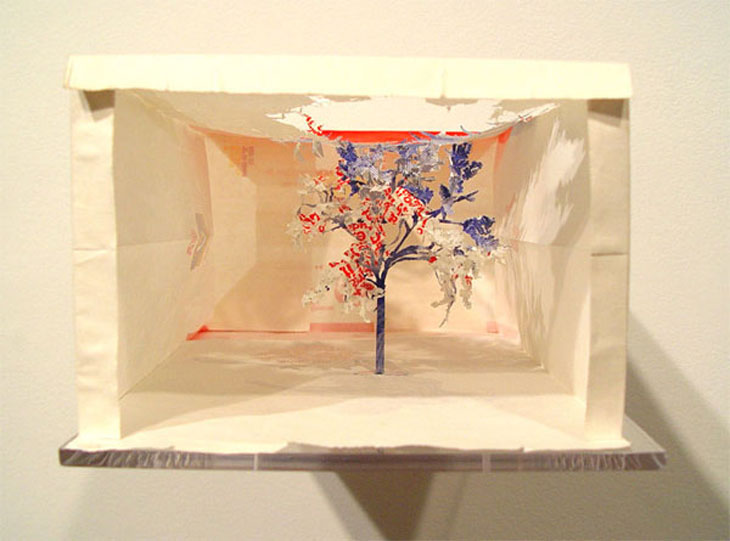
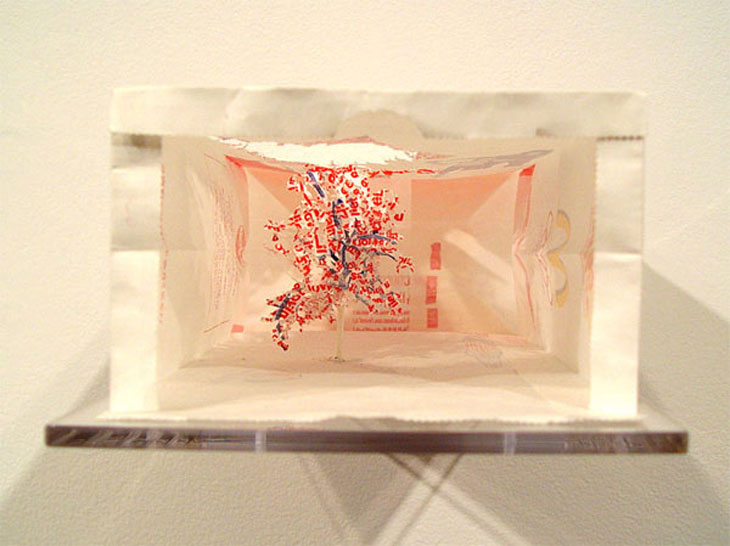
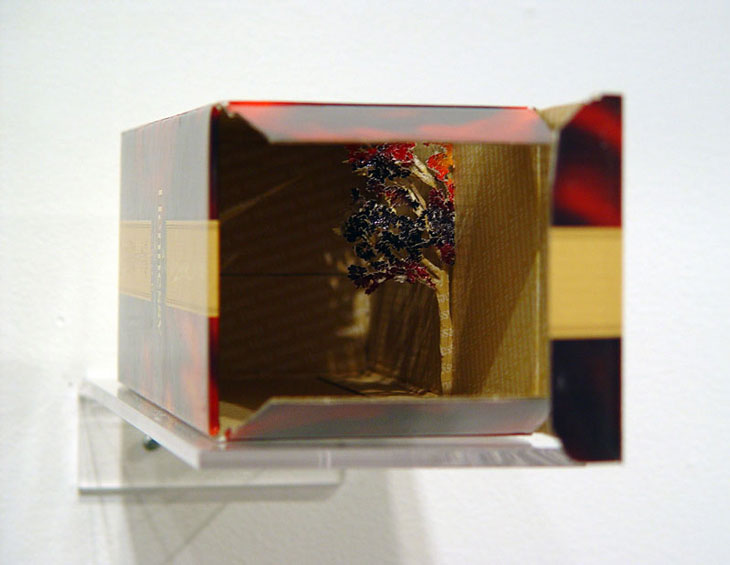
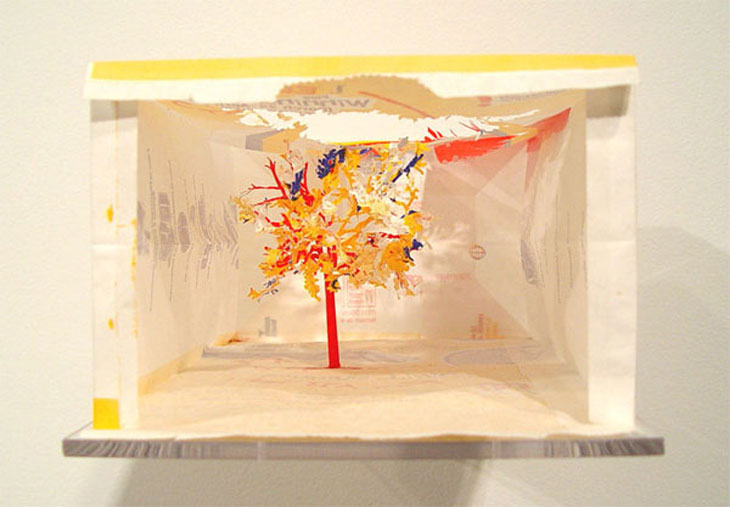
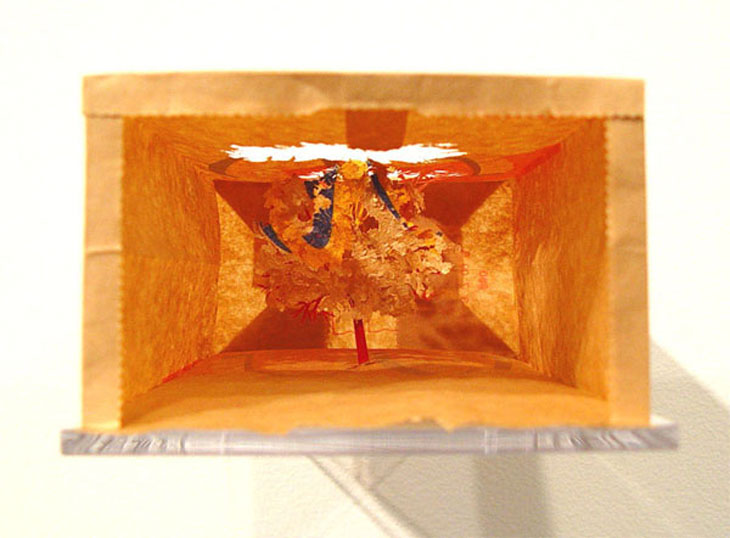
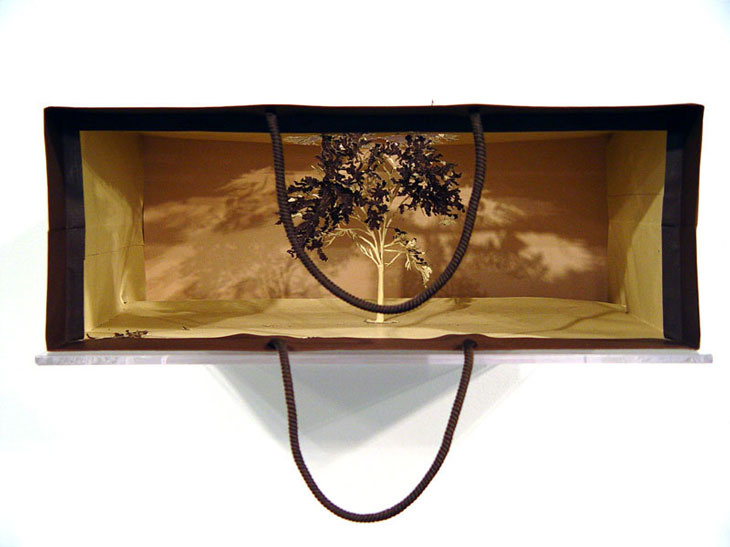
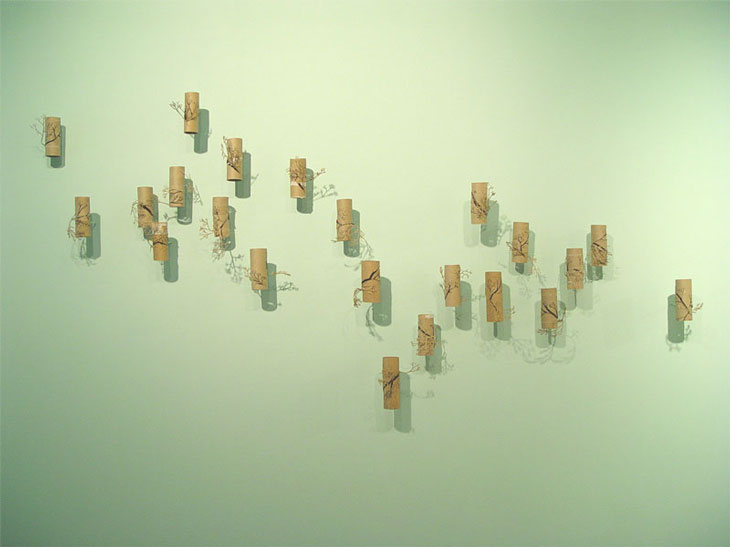
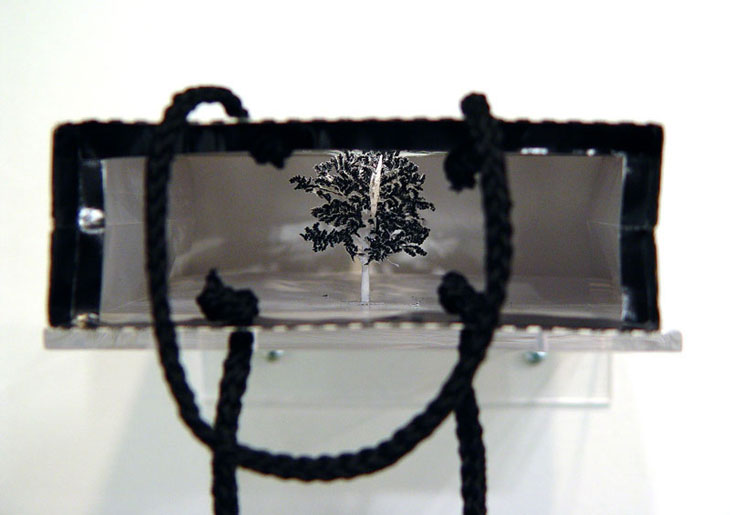
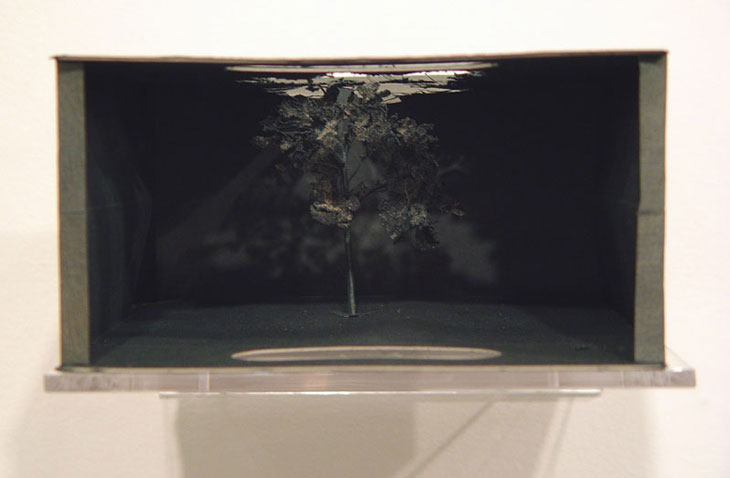
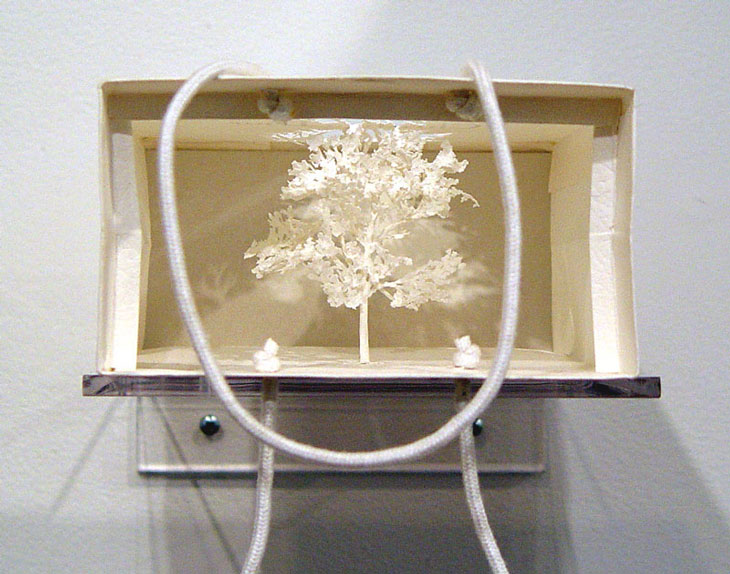
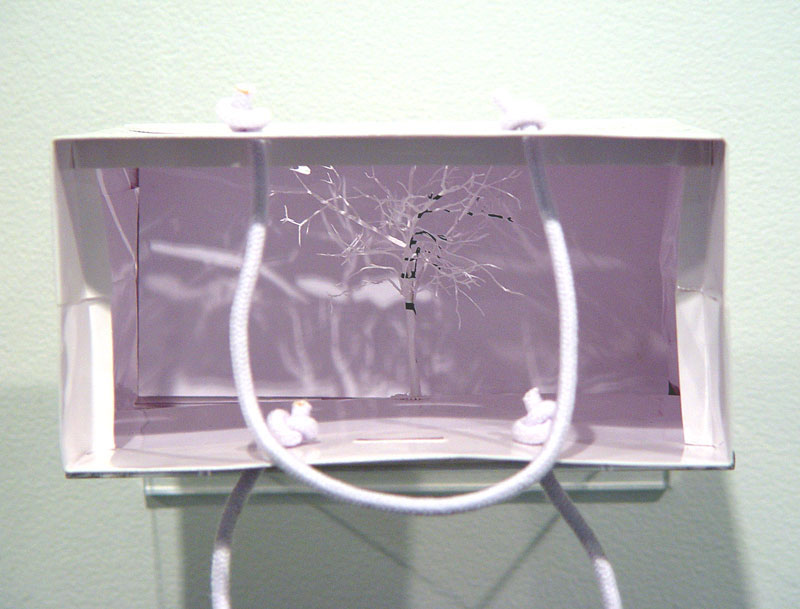
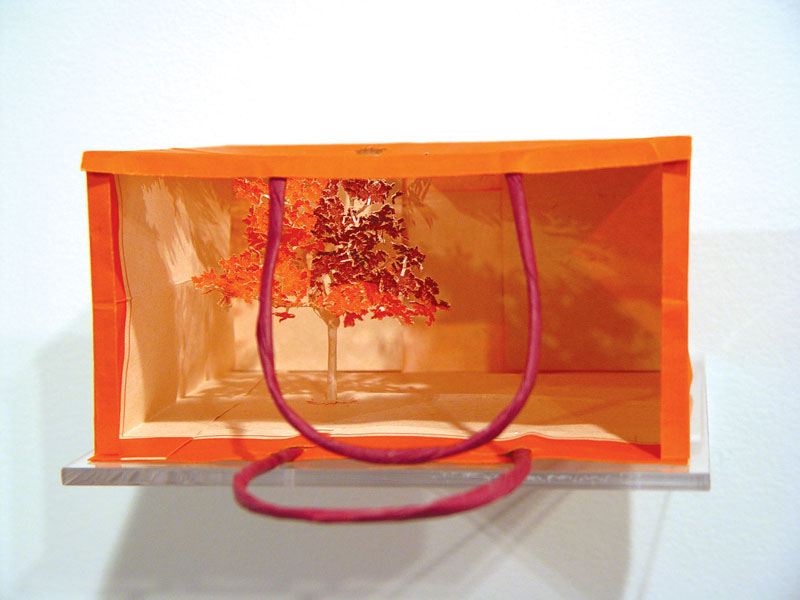
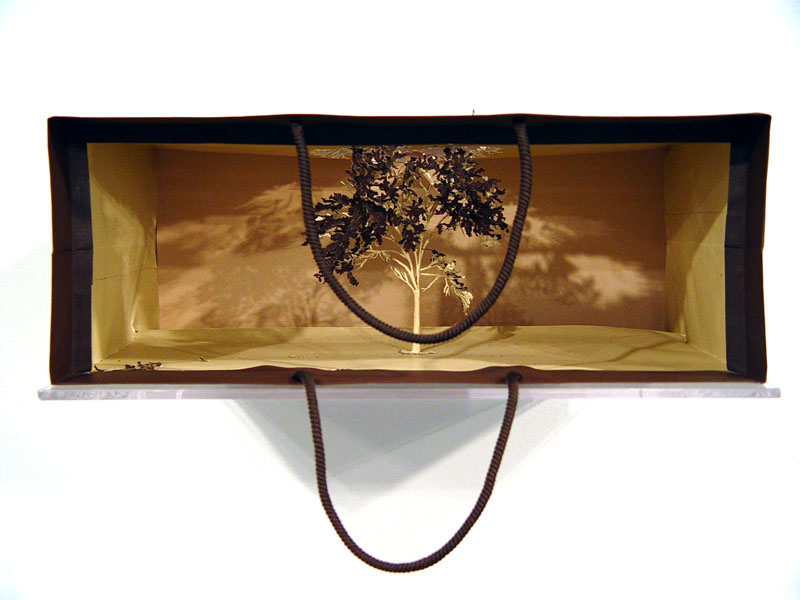
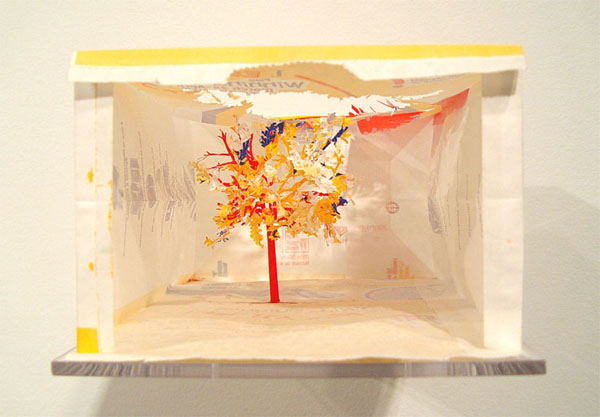
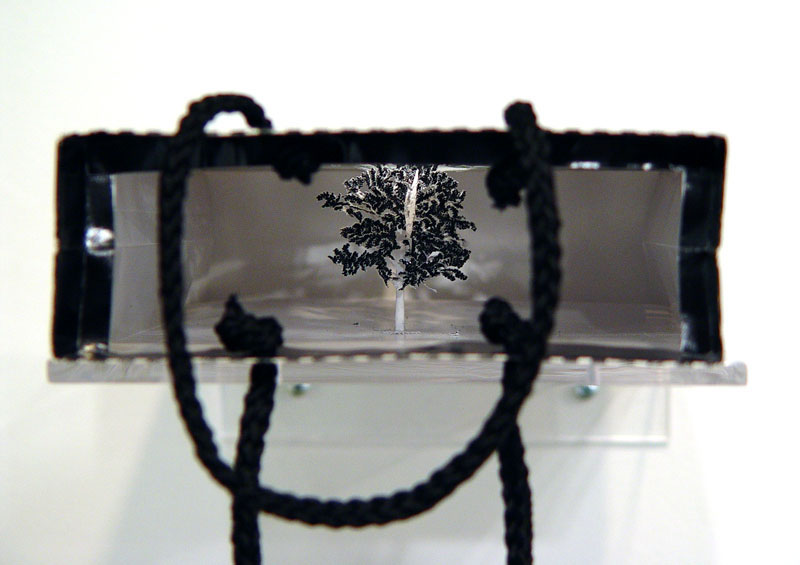
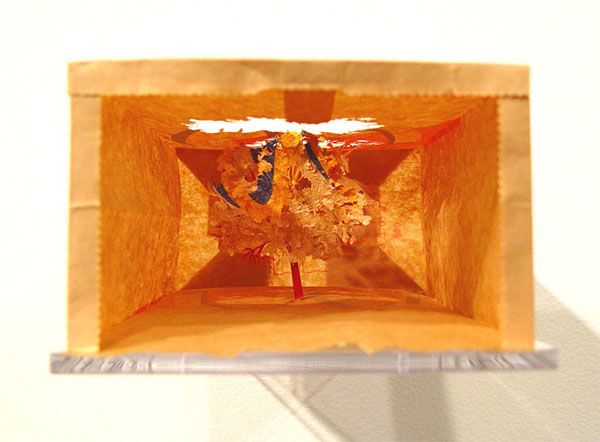
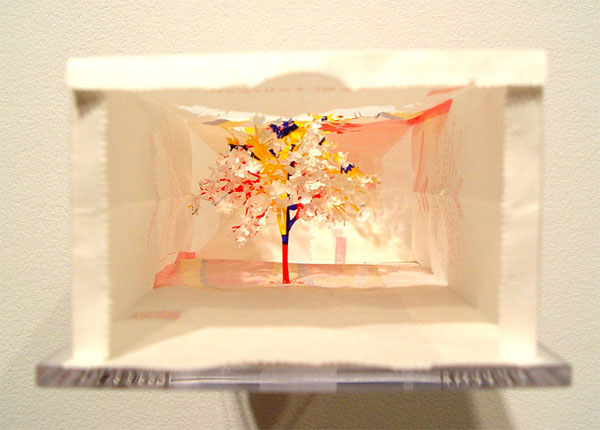
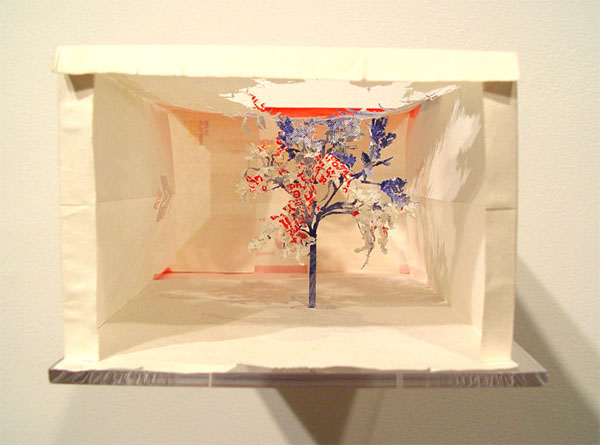
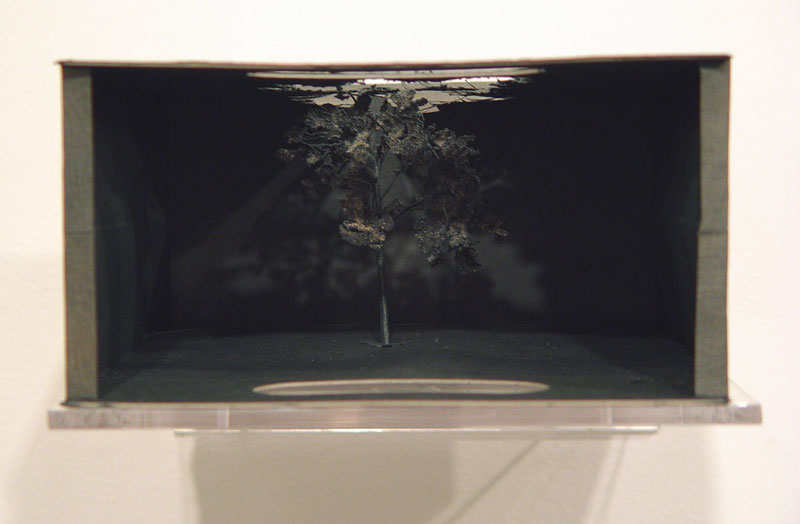
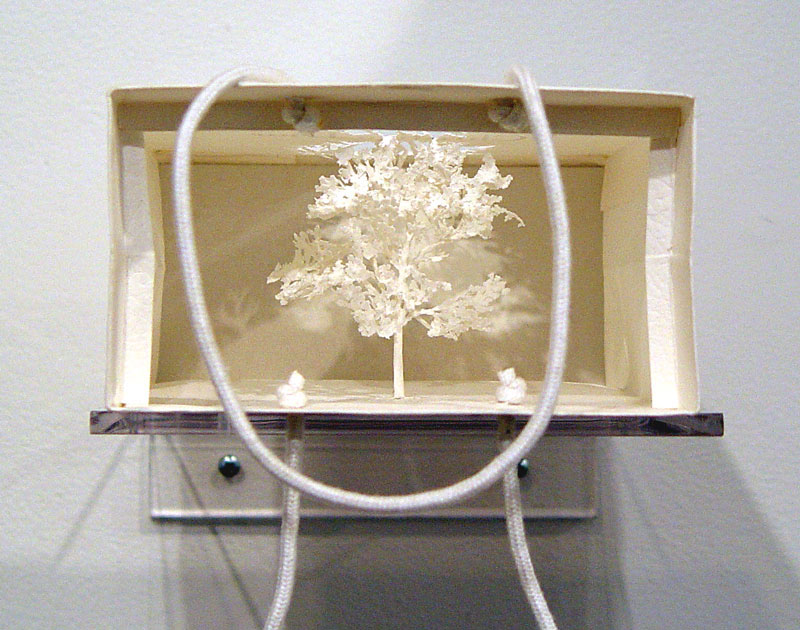
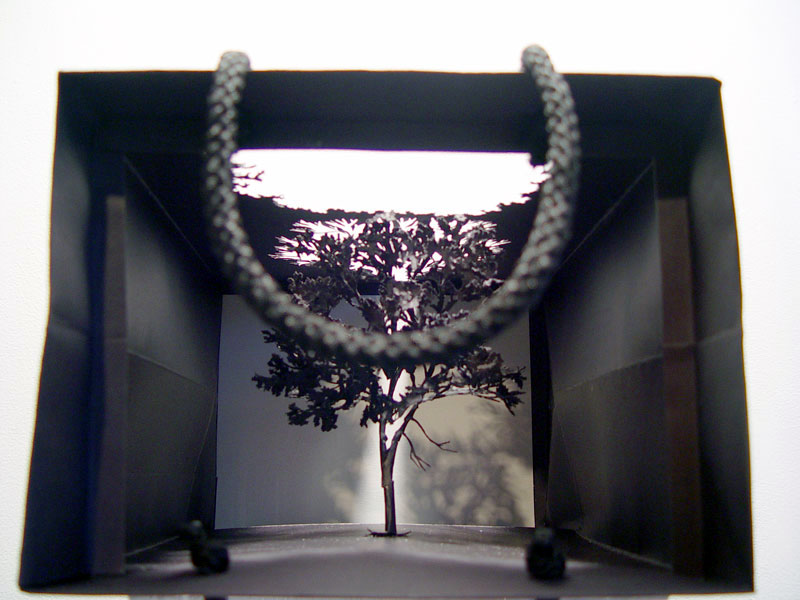
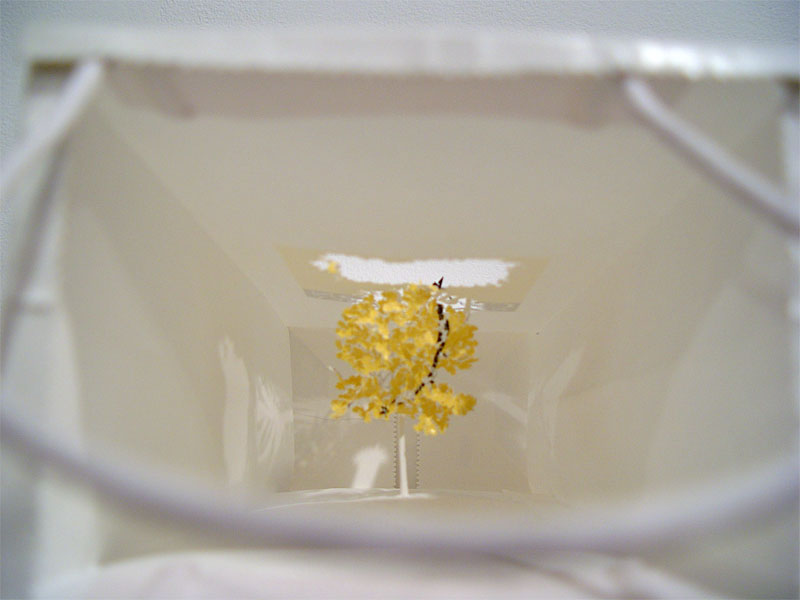
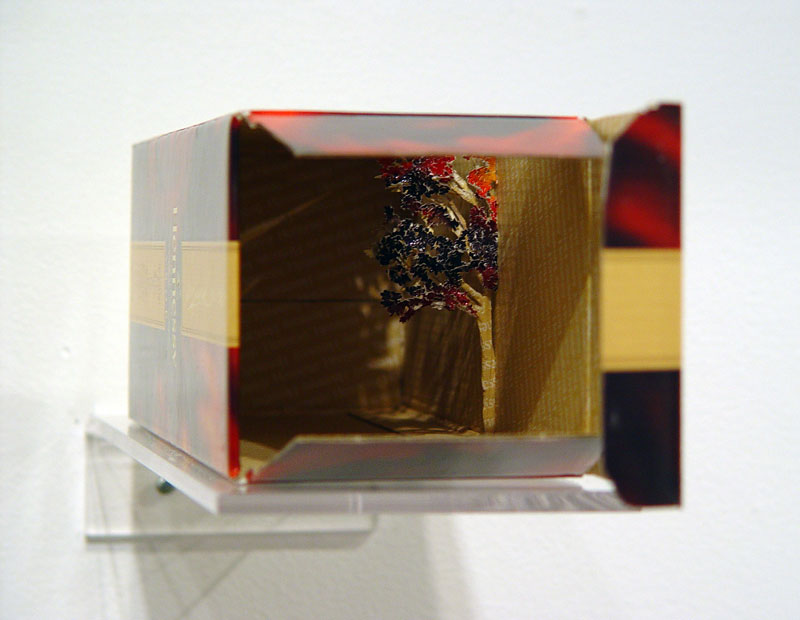
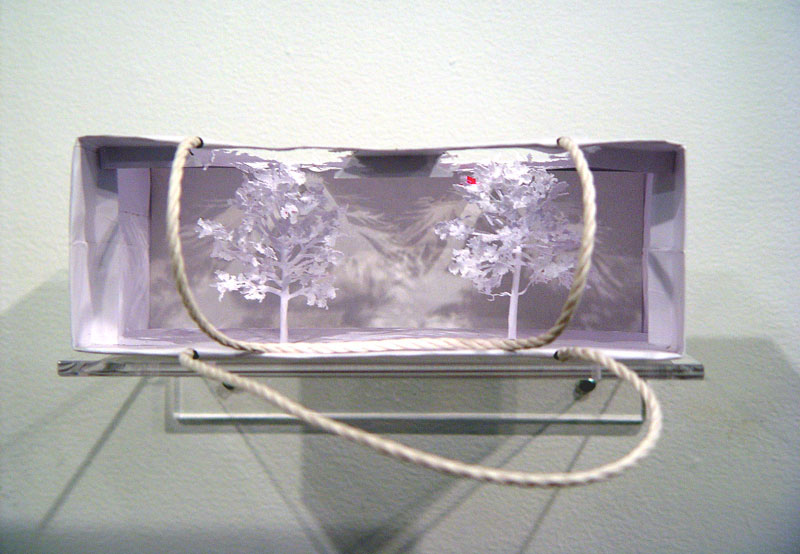
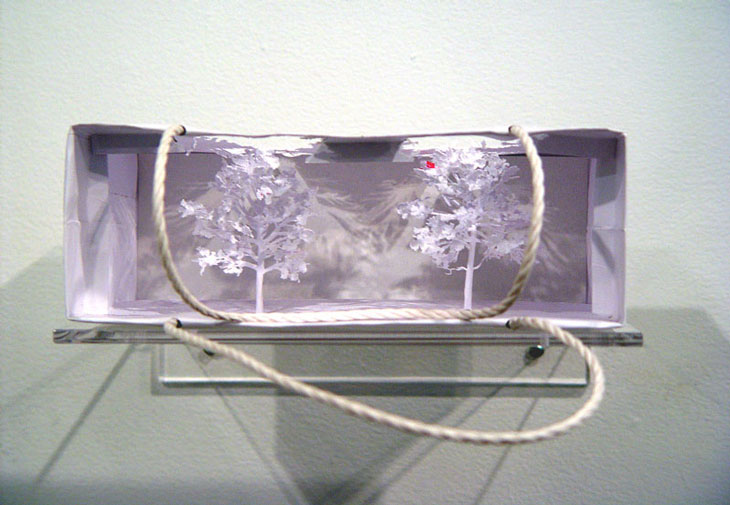
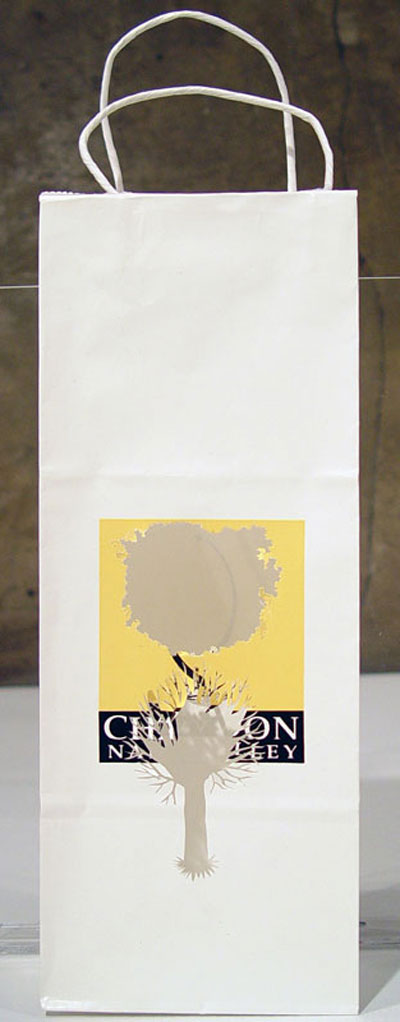
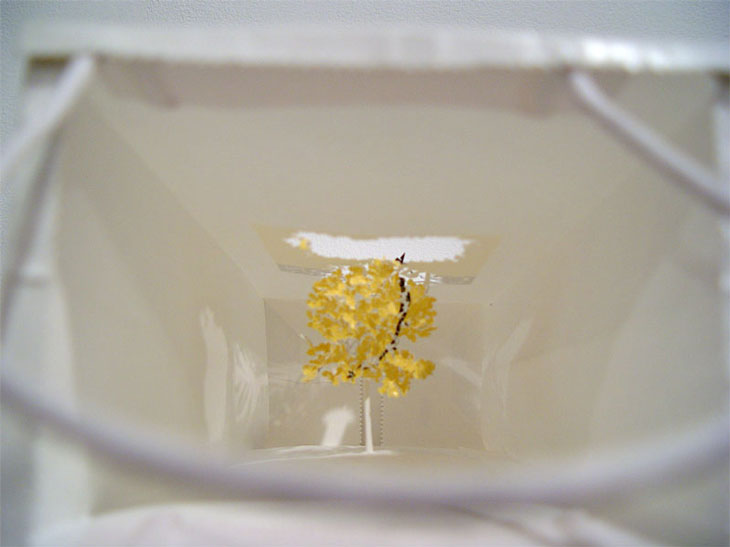
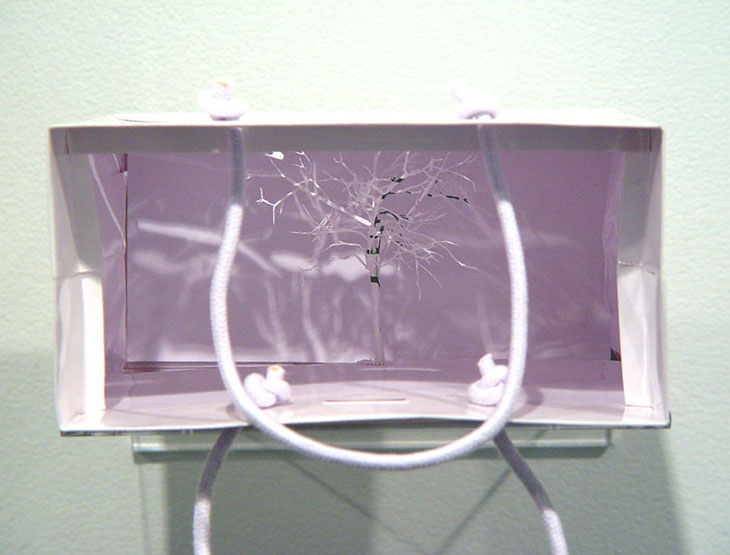
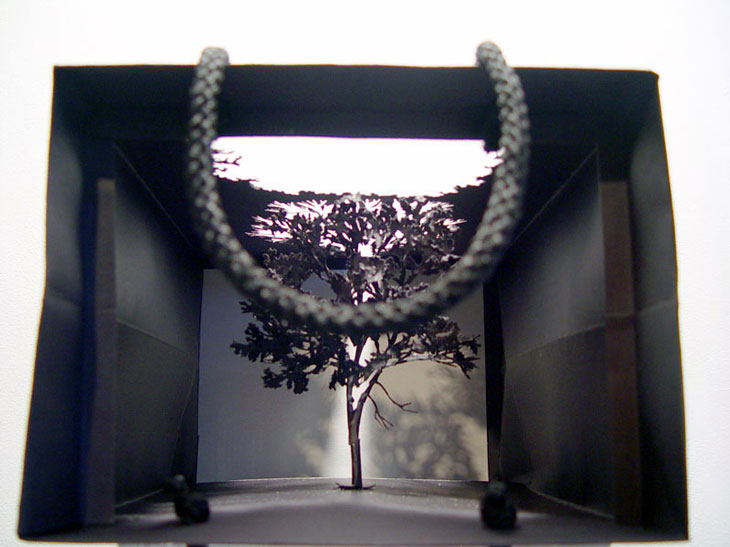
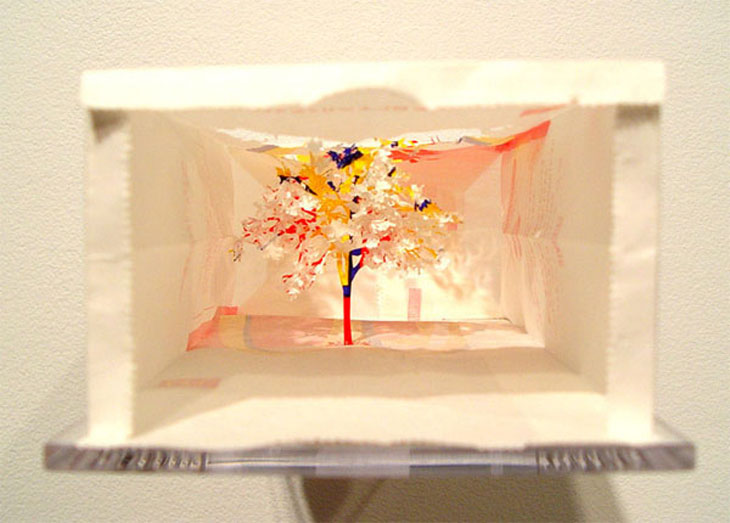
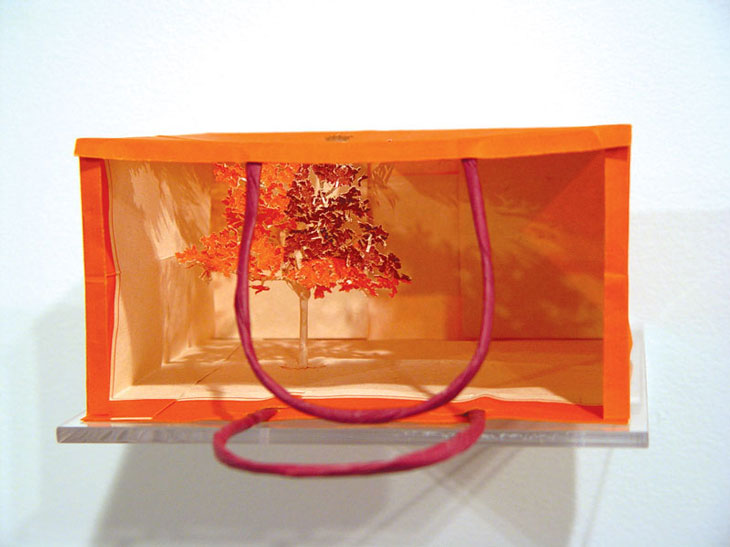
Stooping to encounter each work, the viewer is obliged to reimagine the nature of the receptacle: it’s changed from a passive to an active space. Each tree is painstakingly cut, its leaves and branches described with exceptional care, and each bag derives from a slightly different source (sometimes highend fashion boutiques, others Mc- Donald’s), which stages the tree’s connection to the natural world in divergent ways. At times, as in Golden Arch Parkway McDonald’s (Brown), the bag’s mellow ochre tones evoke autumnal shades; at others, such as LVMH Mark Jacobs, the black bag lends the tree a doomy and gothic aspect. Reversing the flow of industry from tree to paper, Teruya’s work has an environmental sensitivity that’s hard to miss. It’s also a poignant assertion of the role of the creative artist: as someone who finds meaning amid the morass of stuff we leave behind. The detritus of urban life has long provided material solutions for artists; in Yuken Teruya’s work, the discarded becomes the site of poetic transformation. Shopping bags – in some ways the emblematic item of rampant consumerism, one-use receptacles quickly ditched – are placed within the gallery at a ninety-degree angle, their ends to the wall, becoming peepholes for one viewer at a time. Their dark interiors are speckled with light from holes cut into the bag’s paper surface; the shape of the hole is that of a full-grown tree, so the bag becomes both stage (with its own lighting) and source of imagery. Text by Ben Street